Protein Water: Introduction
Protein Water: Are you ready to discover the next generation of healthy hydration? This guide is your key to understanding Protein Water, a clear, refreshing, and highly effective beverage that’s changing the way people think about protein intake.
Unlike the heavy, creamy shakes and sugary sports drinks you might be used to, this innovative drink is designed for fast absorption and effortless digestion.
In this comprehensive post, we’ll explore exactly what it is, its benefits for muscle recovery, weight management, and overall health, and offer practical tips on how to make it a part of your daily life.
Whether you’re an athlete, a busy professional, or simply someone looking for smarter nutritional choices, you’ll find everything you need to know about why this isn’t just a trend—it’s a fundamental step toward better well-being.
Protein Water: What exactly is it and how is it different from a traditional shake?
Protein Water: It is a revolutionary and simple concept, essentially combining the essential nutrient protein with pure, refreshing water. Unlike a thick, creamy protein shake that often relies on a blend of powders, milk, or other thickeners, protein water is a clear, light, and easily digestible beverage.
Its key ingredient is typically a high-quality protein isolate, most commonly whey or collagen, that has undergone a purification process to remove fats, sugars, and lactose, resulting in a protein source that is incredibly easy for the body to absorb.
This distinction is crucial, as it makes protein-infused beverages an ideal alternative for those who find traditional shakes too heavy, chalky, or difficult to digest, especially during or immediately after a workout.
The light and clear consistency means it’s not meant to be a meal replacement but rather a supplement to enhance your daily intake. It is a fantastic way to boost your protein intake without the added calories and fats often found in other protein-rich drinks.
The beauty of this product is its effortless integration into a busy lifestyle. You can grab a bottle on your way out the door, knowing you’re providing your body with a quick dose of muscle-supporting protein and the necessary hydration from the H2O base.
This seamless blend of nourishment and hydration is a major reason for its growing popularity in the wellness community. Protein Water supports not just physical performance and muscle recovery, but it also contributes to overall health and vitality by ensuring your body is well-nourished and hydrated.
The rapid absorption of protein in this form means your muscles get what they need, faster, which is key for a more efficient recovery and long-term health benefits.
Protein Water: How does it support muscle recovery and growth?
Protein Water: The science behind its effectiveness for muscle recovery and growth is quite fascinating and centers on the bioavailability of its primary protein source. The protein used in these drinks, often hydrolyzed whey or collagen peptides, is already broken down into smaller amino acid chains.
This pre-digestion means your body can absorb and utilize it much more quickly than a traditional protein powder, which must first be broken down by the digestive system.
Immediately after a workout, your muscles are in a state of repair, and they require a rapid supply of amino acids—the building blocks of protein—to begin the rebuilding process. The faster you can get these amino acids to your muscles, the more efficient the recovery will be.
This is where protein-infused water shines. Its light, liquid form allows for swift passage through the stomach and into the bloodstream, delivering those vital amino acids exactly when they are needed most.
This rapid delivery helps to reduce muscle soreness, prevent muscle breakdown, and kickstart the growth process. Beyond just recovery, a consistent supply of protein throughout the day is crucial for maintaining muscle mass and supporting a healthy metabolism, both of which are integral to long-term health.
It’s not just about what you consume post-workout; it’s about making sure your body has a constant stream of high-quality fuel.
For athletes and fitness enthusiasts, a bottle of Protein Water isn’t just a convenient drink; it’s a strategic tool for optimizing performance and ensuring their body is in the best possible state for continuous improvement.
This efficient delivery system helps ensure that every workout counts towards your fitness goals and overall health, making it a smart choice for anyone serious about their physical well-being.

Protein Water: Can it help with weight management?
Protein Water: When used strategically, it can be a highly effective tool in a comprehensive weight management plan. One of the primary reasons is protein’s well-documented role in promoting satiety.
Consuming adequate protein helps you feel fuller for longer, which can significantly reduce the urge to snack on unhealthy, calorie-dense foods between meals. This is particularly helpful when you’re trying to reduce your overall calorie intake.
By sipping on a bottle of protein-infused water throughout the day, you can help manage your appetite and curb those mid-afternoon cravings that often derail dieting efforts. Furthermore, protein has a higher thermic effect of food (TEF) compared to carbohydrates or fats.
This means your body expends more energy to digest and metabolize protein, which can subtly boost your metabolism. While not a magic bullet, this small metabolic advantage contributes to a more efficient calorie burn, which is beneficial for weight loss.
For people on a calorie-controlled diet, replacing a sugary drink with a zero or low-sugar Protein Water can save hundreds of empty calories, all while providing a valuable macronutrient.
This simple swap can have a significant impact on your overall calorie balance and contribute to better health. It’s important to remember that it is a supplement, not a meal replacement, and it works best when integrated into a balanced diet that includes whole foods and regular physical activity.
By helping you feel full and supporting a healthy metabolism, a regular intake of this beverage can be a supportive partner on your journey toward a healthier body and improved long-term health.
Protein Water: What are the key nutritional benefits?
Protein Water: Its primary nutritional benefit is, of course, its high protein content in a low-calorie, low-sugar format. While traditional protein shakes can be loaded with fats, carbs, and added sugars, most protein-infused beverages are designed to be a “clean” protein source.
The typical formulation provides a substantial amount of protein, usually between 15-20 grams per bottle, with minimal to no sugar and often zero fat. This makes it an excellent choice for those who want to increase their protein intake without adding unnecessary calories to their diet.
Beyond just protein, many brands fortify their products with other beneficial ingredients that contribute to overall health. You’ll often find electrolytes like sodium and potassium, which are crucial for hydration and nerve function, particularly after a strenuous workout where fluids are lost through sweat.
Some products also include B vitamins, which play a vital role in energy metabolism and cellular health. These added components elevate the beverage from a simple protein drink to a multi-functional wellness supplement.
The light, fluid nature of Protein Water also makes it easier to consume and digest, which is a major advantage for people who struggle with gastrointestinal discomfort from heavier shakes.
This enhanced digestibility ensures your body can fully utilize all the nutrients provided. It is this combination of high-quality protein, essential electrolytes, and a minimal calorie count that truly sets it apart.
The transparent ingredient list and simple formulation make it a trustworthy option for anyone looking to supplement their diet with a clean and effective source of nourishment and hydration. The convenience of a pre-bottled drink ensures you always have a healthy option on hand.
Protein Water: Is it suitable for people with dietary restrictions?
Protein Water: The modern market for this product has expanded significantly, making it suitable for a wide range of dietary needs and restrictions.
While many traditional brands are based on whey protein isolate, which is a dairy derivative and not suitable for vegans or those with lactose intolerance, the industry has responded with excellent plant-based alternatives.
Today, you can easily find protein-infused beverages made with pea protein, soy protein, or a blend of plant-based proteins that offer a complete amino acid profile.
These products are often formulated to be just as effective as their whey-based counterparts, and they cater to a growing population of consumers who follow a plant-based diet for health, ethical, or environmental reasons.
For individuals with lactose intolerance, whey protein isolate itself is often a safe choice because the extensive filtration process removes almost all the lactose. However, to be completely safe, a plant-based version is the best option.
Additionally, most brands are gluten-free, as neither whey nor plant proteins naturally contain gluten. It is always wise to check the label for any cross-contamination warnings if you have a severe gluten allergy.
The low-sugar or zero-sugar formulations of most Protein Water brands also make them a suitable option for those managing blood sugar levels or following a ketogenic diet.
This adaptability and the variety of options available mean that regardless of your dietary requirements, you can likely find a version that fits your needs. This makes it a highly inclusive product in the wellness space.
By providing a clear and clean source of protein, it helps individuals with specific dietary needs meet their macronutrient goals without compromising on their health or dietary principles, all while staying hydrated.
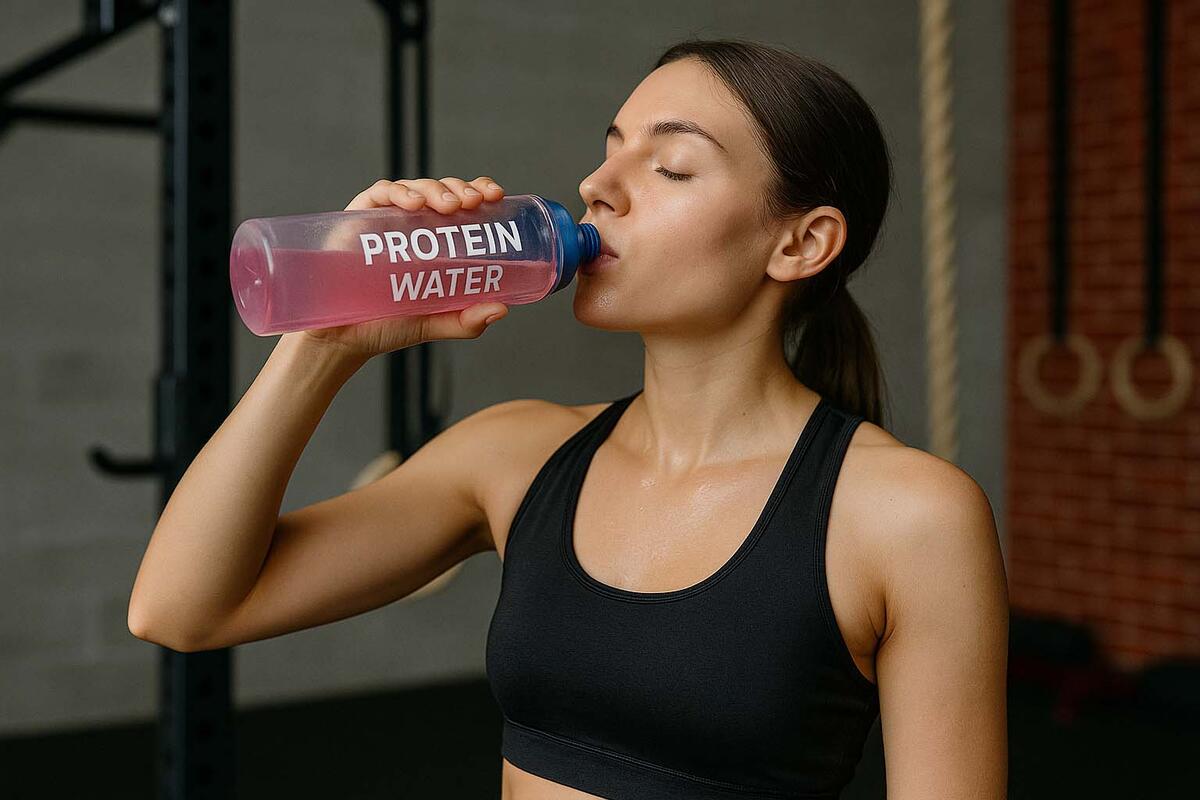
Protein Water: When is the best time to drink it?
Protein Water: The optimal timing for consumption depends on your specific goals and daily routine, but it is versatile enough to be enjoyed at various times throughout the day. For most people, the most beneficial time to drink it is immediately following a workout.
As mentioned earlier, the rapid absorption rate of the protein helps to kickstart the muscle recovery and repair process, making it an ideal post-exercise beverage. However, its usefulness extends far beyond the gym.
A bottle of protein-infused water can be an excellent way to bridge the gap between meals. If you’re feeling a bit hungry mid-morning or mid-afternoon, sipping on it can help curb your appetite and prevent you from reaching for less healthy snacks.
This makes it a great tool for weight management and maintaining consistent energy levels. For those who struggle to eat a full meal in the morning, a Protein Water can be a convenient way to get a quick dose of protein to start your day, helping to fuel your body and support a healthy metabolism.
Because it is so light and easy to digest, it can also be consumed throughout a longer workout or a hike, providing a steady supply of energy and hydration without the heavy feeling of a shake.
The transparency and clarity of this beverage also make it an ideal choice for hydrating during a busy day at work, ensuring you’re not only getting enough water but also nourishing your body with essential amino acids.
The versatility of Protein Water means it can seamlessly fit into any lifestyle, providing a simple yet effective way to support your health goals.
Protein Water: How does it compare to other protein supplements?
Protein Water: It occupies a unique and advantageous position in the crowded market of protein supplements. While traditional protein powders and bars are popular, they come with a different set of pros and cons.
Protein powders, for example, are highly customizable and cost-effective but require mixing, a shaker bottle, and often leave a gritty or chalky texture. They are a good choice for those who need a large, calorie-dense shake.
Protein bars are incredibly convenient but can often be high in sugar and fat, making them feel more like a candy bar than a health supplement. Ready-to-drink (RTD) protein shakes, while convenient, are typically thicker, creamier, and often contain more calories and sugar than protein-infused water.
The primary difference lies in the formulation and user experience. Protein Water is designed for ultimate hydration and rapid absorption. It’s not meant to be a high-calorie meal replacement, but rather a clean, light protein source that feels more like a refreshing beverage.
This makes it an ideal choice for people who want to avoid the “full” or “bloated” feeling that can come with thicker shakes. It’s also an excellent option for those who are focused on a lean, transparent ingredient list.
The product’s clear appearance signifies its simple, filtered nature. For those looking for a simple, fast, and easy way to get a dose of high-quality protein without any added fluff, Protein Water is the superior choice.
Its focus on purity, hydration, and efficiency sets it apart from other supplements and makes it a valuable addition to any routine focused on improving and maintaining long-term health.
Protein Water: How do I choose the best brand for my needs?
Protein Water: With the market expanding rapidly, choosing the best brand can feel overwhelming, but a few key considerations can help you make an informed decision.
First and foremost, scrutinize the ingredients list. Look for a product with a high-quality protein source, such as grass-fed whey isolate or a complete plant-based protein blend. Avoid brands that list proprietary blends or fillers, as these can be a red flag.
The goal is to get a clean source of protein and water without unnecessary additives. Next, check the nutritional information, especially the sugar content. The best protein-infused beverages contain little to no sugar and are often sweetened with natural alternatives.
A high sugar content can negate the weight management and health benefits. The amount of protein per serving is also crucial; aim for a product that provides at least 15 grams per bottle to make it a worthwhile supplement.
Another important factor is third-party testing. Look for seals from organizations like NSF Certified for Sport or Informed-Sport. These certifications indicate that the product has been tested for banned substances and is safe for athletes.
This level of transparency speaks volumes about a brand’s commitment to quality. The flavor profile is also worth considering, as a product you enjoy is one you are more likely to consume consistently. Many brands offer a variety of options, from fruit-infused to more exotic flavors.
Lastly, read customer reviews to get a sense of the taste, texture, and overall customer experience. By doing your research and paying attention to these details, you can select a Protein Water that not only tastes great but also aligns with your specific health and fitness goals.
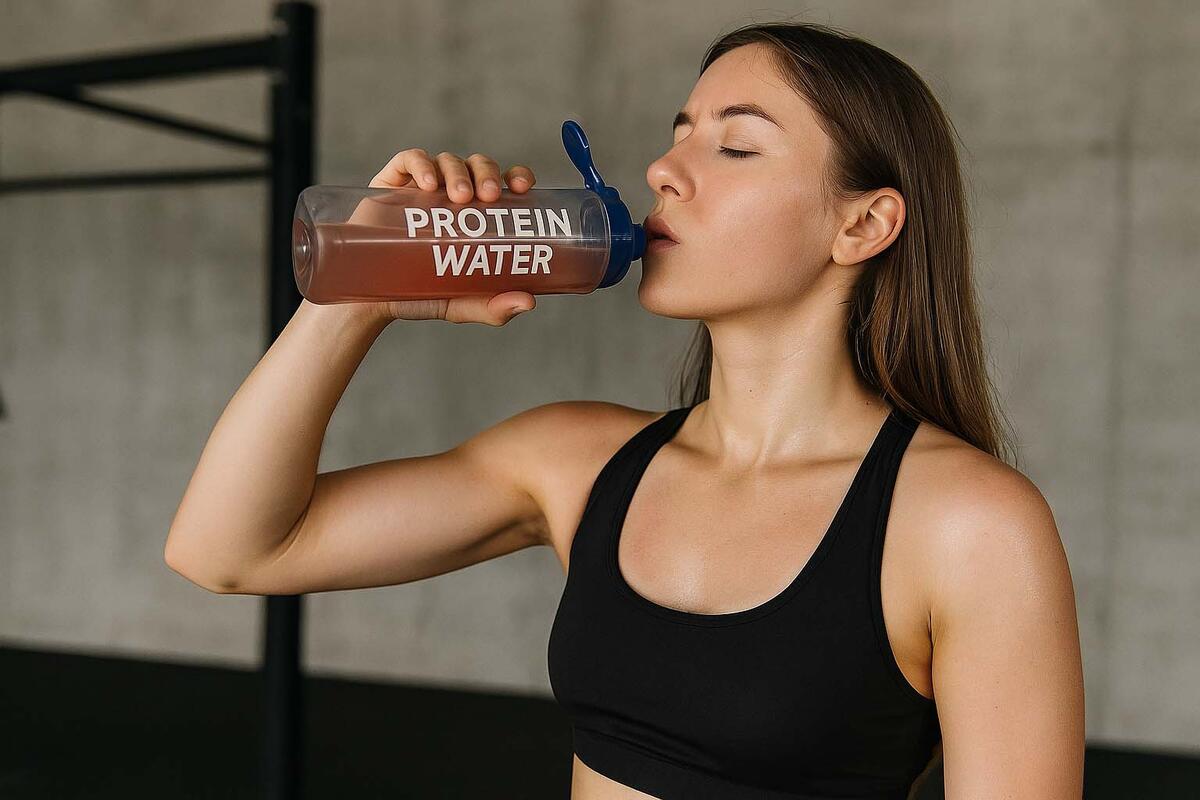
Protein Water: Can it replace regular water for daily hydration?
Protein Water: While it contains a significant amount of water and contributes to your daily fluid intake, it should not be considered a complete replacement for regular, unflavored water.
Think of it as a tool to enhance your hydration, not the sole source. The body’s primary need for hydration is best met by pure water, which is free of any additives, proteins, or calories.
Drinking pure water is essential for a myriad of bodily functions, including regulating body temperature, lubricating joints, and flushing out waste products.
While a bottle of protein-infused water can be a great way to rehydrate and refuel after an intense workout or during a long day, it’s crucial to maintain a balance.
Excessive consumption of flavored beverages, even healthy ones, can lead to over-reliance and may cause you to miss out on the simple, vital benefits of plain water. The key is to use this beverage as a supplement to your hydration strategy, not a substitute.
For instance, you could have a bottle after a workout or as a mid-day snack, but you should still aim to drink several glasses of plain water throughout the day. This balanced approach ensures you get the benefits of both—the pure hydration of water and the muscle-supporting power of protein.
This simple concept is at the core of a sustainable approach to well-being. By using Protein Water strategically, you can support your fitness goals while ensuring your body receives the foundational hydration it needs for optimal health and overall function. A simple, balanced approach is always the best way to achieve your health objectives.
Protein Water: Is it suitable for children and older adults?
Protein Water: The suitability of this beverage for different age groups, particularly the very young and the elderly, requires a nuanced approach, as their nutritional needs differ significantly from those of an average adult.
For children, a primary source of protein should always come from a varied diet rich in whole foods like lean meats, dairy, eggs, and legumes. While some very active or athletic children may have higher protein requirements, Protein Water is not a substitute for a balanced diet.
It could be considered a supplement in specific cases, for example, if a child is a picky eater or a young athlete needs a quick and easy post-game protein source.
However, it is essential to consult with a pediatrician or a registered dietitian before introducing any new supplement into a child’s diet to ensure it aligns with their developmental and health needs.
The focus should always be on getting a consistent source of nutrients for proper growth, and relying on a beverage for this is not ideal.
For older adults, however, Protein Water can be a particularly beneficial tool. As people age, they often experience a natural decline in muscle mass, a condition known as sarcopenia. Adequate protein intake is crucial for maintaining muscle strength, mobility, and a better quality of life.
For seniors who may have a reduced appetite, difficulty chewing, or simply don’t consume enough protein through solid foods, a convenient and easy-to-drink supplement like this can be a great way to bridge that nutritional gap.
It not only provides essential amino acids but also contributes to daily fluid intake, which is vital as many older adults are at a higher risk of dehydration. This makes it a dual-purpose product, supporting both hydration and muscle health.
The light, refreshing nature of the beverage is also often more appealing than a thick shake. When considering this for older adults, opt for clean formulas with no added sugars or artificial sweeteners, and as always, discuss any dietary changes with their doctor to ensure it fits into their overall health plan.
Protein Water: Is it an eco-friendly option?
Protein Water: As consumers become more aware of the environmental impact of their purchasing habits, the eco-friendliness of products like this has become a relevant concern.
The primary environmental issue with protein-infused beverages, as with many other ready-to-drink products, is the packaging. The majority of these products are sold in single-use plastic bottles, which contribute to plastic water bottle waste and landfill issues.
While many of these bottles are recyclable, the recycling rate is often low, leading to a significant environmental footprint. However, a growing number of brands are taking steps to address this.
Some are switching to bottles made from recycled plastics (rPET), which reduces the demand for new plastic production. Other companies are exploring alternative packaging materials like aluminum cans, which are infinitely recyclable, or sustainable cartons.
From a production standpoint, the sourcing of the protein itself also has an environmental impact. Whey protein comes from dairy, and the livestock industry has a notable carbon footprint.
On the other hand, plant-based protein water options, made from sources like peas or soy, tend to have a lower environmental impact, making them a more eco-friendly choice.
As the market evolves, we can expect to see more innovation in packaging and sourcing, driven by both consumer demand and corporate responsibility. If you’re looking for a more sustainable option, research brands that are transparent about their sourcing and packaging practices.
Choosing a brand that uses recycled materials or offers a plant-based alternative is a great way to support both your health and the health of the planet. Ultimately, the eco-friendliness of Protein Water depends on the brand’s specific practices and your own conscious consumer choices.
What’s the future of this health trend?
Protein Water: The future of this innovative beverage is incredibly promising and is set to evolve in several exciting directions. As the demand for convenient, health-conscious products continues to grow, so will the market for protein-infused beverages.
We can expect to see an even wider variety of flavors and formulations, moving beyond the standard fruit flavors to more complex and functional blends.
For example, brands are already starting to incorporate ingredients like adaptogens, nootropics, and prebiotics to create drinks that support not just muscle recovery but also cognitive health, stress management, and gut health.
The rise of personalized nutrition will also play a role, with some companies potentially offering customized blends tailored to an individual’s specific needs and goals. The plant-based sector of the Protein Water market is also poised for significant growth.
As more consumers adopt vegan or flexitarian diets, there will be a greater need for delicious and effective plant-based protein options. New protein sources like algae or fermented proteins may also enter the market, offering even more sustainable and novel alternatives.
From a packaging and sustainability standpoint, we will likely see a continued shift away from single-use plastics towards more eco-friendly materials like recycled plastic or aluminum.
Technological advancements will also make production more efficient, potentially leading to a more affordable product.
The convenience, low-calorie profile, and high nutrient value of Protein Water have already made it a staple for many, and its future evolution promises to solidify its place as a key player in the wellness and functional beverage industry, catering to a wider range of needs and lifestyles than ever before.
It’s a testament to how the modern consumer is seeking not just hydration, but holistic well-being in a bottle.
How can you make it at home?
Protein Water: Creating your own version at home is surprisingly simple, allowing you to control the ingredients and customize the flavor to your liking.
The core of any homemade version is a high-quality protein powder, ideally an isolate, which dissolves more easily and leaves less residue than a concentrate.
Whey protein isolate is a popular choice for its clean taste and quick absorption, but a clear plant-based powder like pea protein isolate can also work well. To create your protein water, you’ll first need a bottle or a shaker. Start by adding your protein powder.
A good rule of thumb is to use one scoop, which typically provides 20-25 grams of protein. Next, add a small amount of warm water and stir or shake vigorously until the powder is fully dissolved. This crucial step prevents clumps from forming when you add the rest of the liquid.
Once the powder is dissolved, fill the rest of the bottle with cold, filtered water. For flavor, you can add a few drops of a natural fruit extract or a zero-calorie, sugar-free flavoring. Fresh fruit like a squeeze of lemon or lime, or a few muddled berries, can also add a natural and refreshing taste.
Mix well and let it sit for a few minutes to allow the tiny air bubbles to dissipate, which will give you that clear consistency.
This homemade approach not only saves you money but also gives you complete control over the ingredients, ensuring your drink is free from artificial sweeteners or preservatives if you choose.
The ability to make this at home means you can have a fresh, health-boosting beverage ready whenever you need it, ensuring you’re always prepared to support your health and hydration goals with a clean, effective drink.
Are there any side effects or risks to be aware of?
Protein Water: While generally considered safe for most people, it’s important to be aware of potential side effects and risks, just as you would with any dietary supplement.
The primary concern for most people is overconsumption of protein. While protein is a crucial macronutrient, excessive intake can put a strain on the kidneys over time, especially for individuals with pre-existing kidney conditions.
It is important to stay within the recommended daily intake for protein, which varies based on factors like age, weight, activity level, and gender. Consult a health professional if you have any doubts.
Another potential risk is related to the sweeteners and artificial additives used to make the beverage palatable. Some people may experience digestive discomfort, such as bloating or gas, from certain sugar alcohols or artificial sweeteners.
To mitigate this, it’s a good idea to check the ingredient list for common offenders and opt for brands that use natural sweeteners like stevia or monk fruit extract, or those with no sweeteners at all.
A high protein diet, even with a product like Protein Water, must also be balanced with adequate fiber, as protein alone can lead to constipation. Ensuring you get enough fiber from fruits, vegetables, and whole grains is crucial for a healthy digestive system.
Lastly, while the product name implies purity, some brands might contain hidden ingredients, fillers, or preservatives. Always read the nutrition facts and ingredient list carefully to ensure you know what you’re consuming.
The risks associated with Protein Water are generally minimal for healthy individuals who consume it responsibly and as part of a balanced diet, but being mindful of these points ensures you can enjoy its health benefits without any negative consequences.
Conclusion
In conclusion, Protein Water represents a significant evolution in the world of health and fitness beverages. It masterfully combines the essential benefits of high-quality protein with the simple, crucial act of hydration, offering a convenient and effective solution for a wide range of needs.
From accelerating muscle recovery and aiding in weight management to providing a clean, low-calorie source of nourishment, it has proven to be much more than just a fleeting trend.
The transparency, light consistency, and versatility of Protein Water set it apart from traditional supplements, making it an ideal choice for anyone looking for a simple way to enhance their well-being.
By choosing a quality product and integrating it into a balanced diet, you can easily support your fitness goals and contribute to your overall long-term health.
As the market continues to innovate, we can expect this smart, refreshing beverage to become an even more indispensable part of a modern, health-conscious lifestyle.
FAQ
Protein Water is a clear, light, and refreshing beverage that combines the hydrating benefits of purified water with a high-quality protein source, typically whey or collagen isolate. Unlike traditional protein shakes which can be thick and milky, it has a transparent, juice-like consistency and is designed for easy digestion and rapid absorption.
The main difference lies in consistency and absorption. A protein shake is often thick and creamy, meant to be a more substantial, calorie-dense supplement. Protein Water, on the other hand, is a light and transparent fluid, making it a better option for fast rehydration and a quick protein boost without the heavy feeling.
Yes, it’s an excellent choice for post-workout recovery. The protein isolates used in Protein Water are broken down into smaller peptides, allowing for quicker absorption. This rapid delivery of amino acids helps to immediately repair and rebuild muscle tissue, reducing soreness and speeding up the recovery process.
Yes, it can be a useful tool for weight management. Protein is known to increase satiety, helping you feel fuller for longer and reducing cravings. By sipping on Protein Water between meals, you can help manage your appetite and support a healthy metabolism, all in a low-calorie, low-sugar format.
Most high-quality Protein Water products are formulated to be low in sugar or completely sugar-free. They are often sweetened with natural zero-calorie alternatives like stevia or monk fruit. Always check the nutrition label to ensure the product aligns with your dietary needs.
Yes, in many cases. The filtration process used to create whey protein isolate removes almost all the lactose, making it generally safe for many people with lactose intolerance. However, for those with a severe allergy or sensitivity, plant-based Protein Water is also widely available.
Yes, it is perfectly safe to drink Protein Water every day as part of a balanced diet. It can help you meet your daily protein and hydration goals, especially on busy days or when you’re on the go.
The most common time is immediately after a workout to aid in muscle recovery. However, you can also drink Protein Water between meals as a satiating snack, or simply as a refreshing, nutrient-rich alternative to sugary sodas.
For most healthy individuals, there are no significant side effects. Overconsumption of protein in general can cause digestive issues for some people, but this is rare with typical intake. As with any supplement, it’s best to read the ingredients and consult a healthcare professional if you have any concerns.
Protein Water offers a unique combination of hydration and protein in a light, easily digestible form. Unlike protein powders that require mixing, or protein bars that can be high in sugar and fat, it’s a convenient, ready-to-drink option that focuses on purity and rapid absorption without the extra calories.

Author: Horeca Health
Horeca Health
DISCLAIMER
All content provided on this website is for informational purposes only and should not be considered a substitute for professional advice, diagnosis, or treatment. Always consult qualified healthcare professionals regarding any questions or concerns you may have about your health or any medical condition.




















Leave a Reply