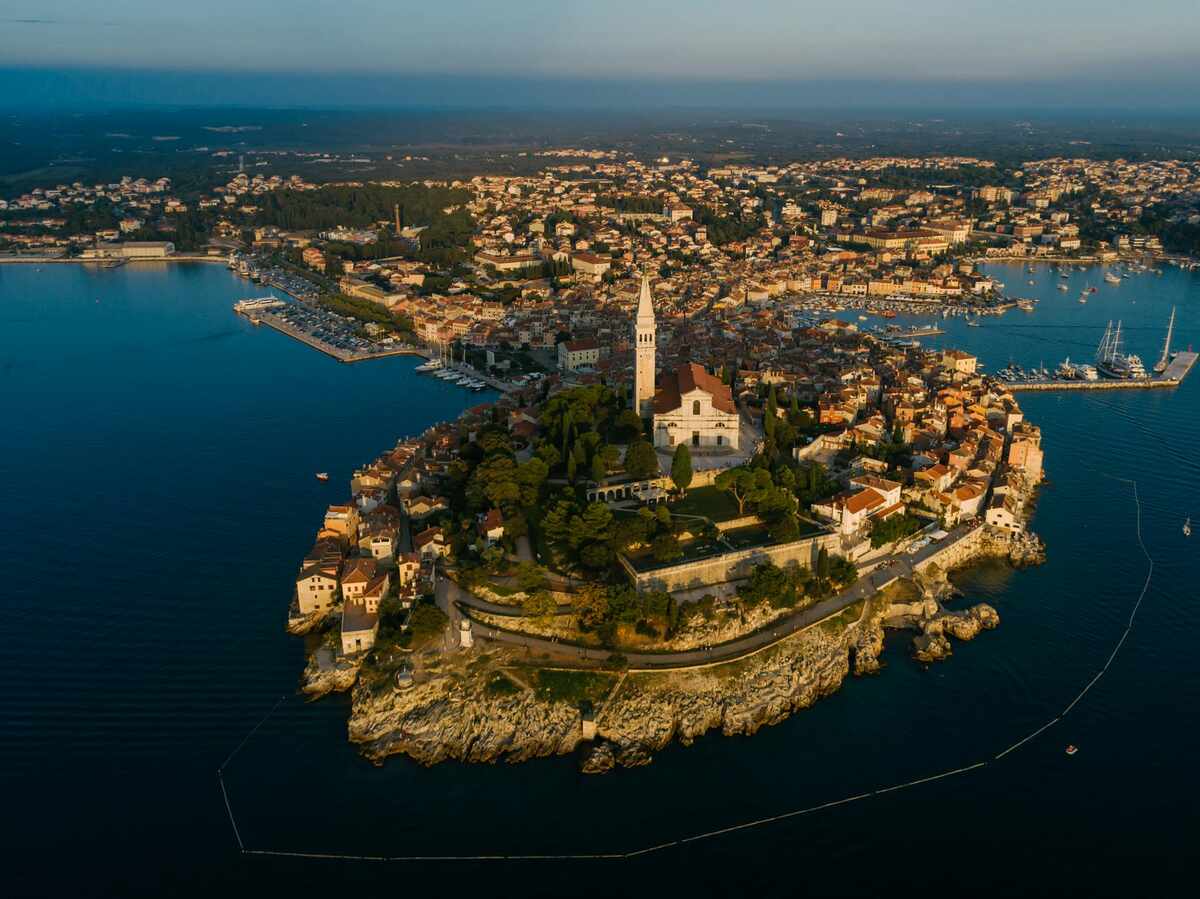
Visit Rovinj: Introduction
Visit Rovinj: Nestled on the northern Adriatic coastline of the Istrian peninsula, Rovinj is more than just a picturesque fishing port; it’s a living work of art.
With its Venetian-era architecture, cobblestone streets that wind up to a majestic church, and a vibrant cultural scene, this enchanting town captivates the hearts of all who visit.
Far from being just another seaside resort, Rovinj offers a unique blend of historical charm, breathtaking natural beauty, and a culinary scene that will leave you wanting more. Whether you’re a history buff, a foodie, an adventurer, or simply seeking a tranquil escape, Rovinj promises an unforgettable journey.
This comprehensive guide is designed to help you navigate this stunning Istrian gem, revealing its must-see attractions, hidden corners, and local secrets. Get ready to fall in love with the magic of this remarkable coastal city.
Visit Rovinj: What is the history of this charming coastal town?
Visit Rovinj: The history of this captivating town is as rich and multi-layered as its winding streets, a story shaped by various empires, maritime trade, and a resilient local spirit.
The first evidence of settlement dates back to the prehistoric era, but the town truly began to take shape during the Roman period. Known then as Castrum Rubini, it served as an important Roman outpost, a strategic point on the Adriatic.
Following the fall of the Roman Empire, Rovinj became part of the Byzantine Empire before falling under the rule of the powerful Venetian Republic in 1283. This was a pivotal period for Rovinj, as Venice left an indelible mark on its architecture, culture, and social structure.
The town flourished as a key maritime and fishing center for the Venetians. Its distinct Venetian-Gothic architecture, visible in the stunning facades and intricate stonework of the Old Town, is a testament to this era.
The iconic Church of St. Euphemia, with its impressive bell tower modeled after St. Mark’s Campanile in Venice, stands as the most prominent symbol of this Venetian influence.
After the Venetian Republic’s decline, the town passed through a period of Austrian rule, which brought significant infrastructure development and economic growth. Following World War I, the town, along with the rest of Istria, was ceded to Italy, a period that lasted until the end of World War II.
After the war, Rovinj became part of Yugoslavia, and many of its Italian-speaking population emigrated, a period known as the Istrian exodus. Since 1991, Rovinj has been a part of independent Croatia, where it has blossomed into one of the country’s most cherished tourist destinations.
The town has masterfully preserved its historical heritage while embracing a modern, vibrant atmosphere. To truly understand the character of this city, you have to appreciate the diverse historical forces that have shaped its identity.
When you Visit Rovinj, you’re not just seeing a beautiful place; you’re stepping into a living history book, where every stone and every street tells a story.
Visit Rovinj: What are the must-see attractions for first-time visitors?
Visit Rovinj: To truly grasp the essence of this enchanting Istrian town, your journey must begin with the iconic Church of St. Euphemia. Perched majestically atop the peninsula’s highest point, this Baroque masterpiece is more than just a place of worship; it’s the beating heart of the city.
As you ascend the cobblestone streets leading to it, you’re not just climbing a hill; you’re traveling back in time. The panoramic views from the bell tower are absolutely breathtaking, offering a 360-degree spectacle of red-tiled roofs, the shimmering Adriatic Sea, and the lush green islands of the archipelago.
Next, lose yourself in the labyrinthine charm of Old Town. Here, narrow alleys, vibrant facades, and bustling artisan workshops create an atmosphere that feels both historic and alive. It’s a place to wander without a map, discovering hidden courtyards, quaint cafes, and local galleries around every corner.
For an injection of culture and history, the Rovinj Heritage Museum provides a fascinating look into the town’s rich past, from its maritime traditions to its Roman and Venetian influences.
Another unmissable spot is the Balbi’s Arch, a grand gateway that serves as a beautiful entrance to the Old Town and a perfect photo opportunity. Finally, no visit to Rovinj is complete without a leisurely stroll along the waterfront promenade, the Valdibora Quay.
Here, fishing boats bob gently in the harbor, artists display their work, and locals gather to chat, creating a lively and authentic slice of daily life.
When you decide to Visit Rovinj, these key landmarks provide the perfect foundation for a memorable experience, but the true magic lies in the unscripted moments you discover between them.
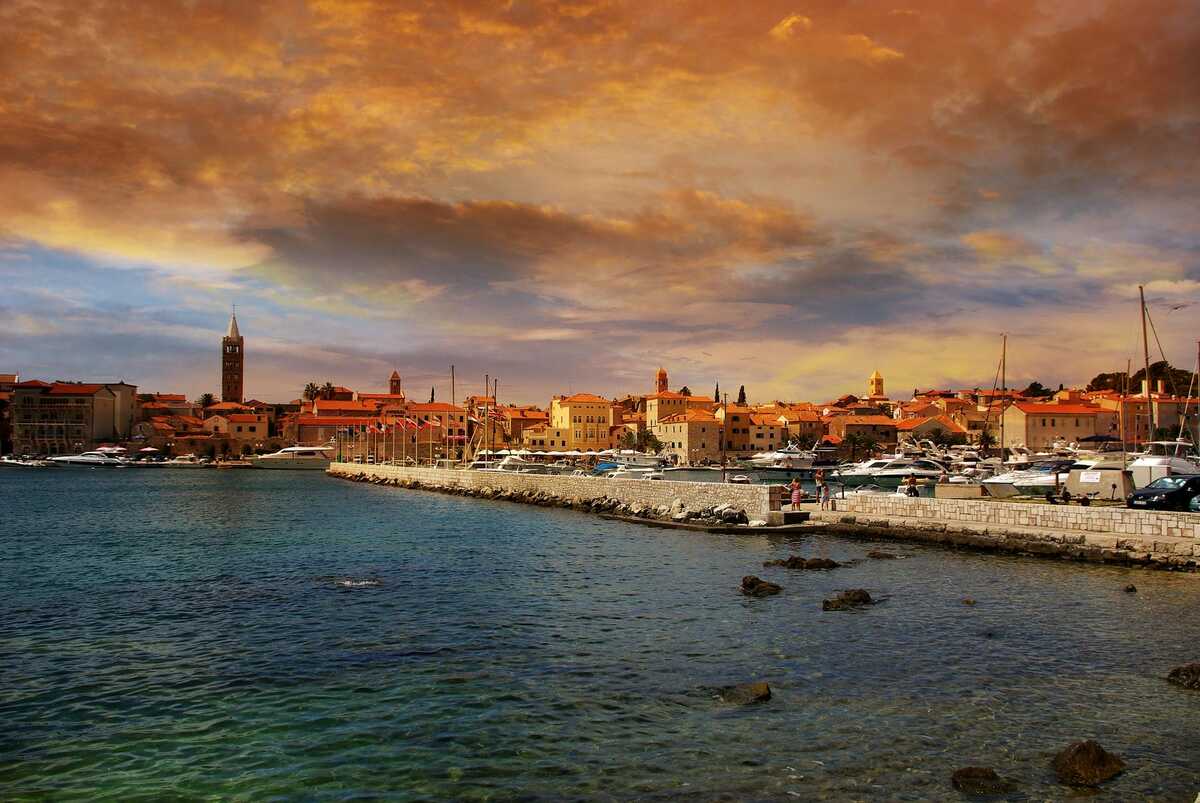
Visit Rovinj: Where can I find the best local food and wine experiences?
Visit Rovinj: The culinary scene here is a glorious celebration of Mediterranean flavors, where fresh seafood, exceptional olive oil, and world-class wines take center stage. To get a true taste of the area, you must immerse yourself in the local dining culture.
Start by exploring the Rovinj Market, a vibrant open-air market where local farmers and fishermen sell their daily catch and produce. This is the ideal place to sample local cheeses, cured meats like Istrian prosciutto, and seasonal fruits and vegetables.
For an authentic dining experience, seek out a traditional konoba, a family-run tavern that serves simple, rustic dishes. A few top recommendations include Konoba La Puntulina for its stunning seaside terrace, and Konoba Kantinon for its traditional fare and welcoming atmosphere.
Don’t leave without trying some local specialties, such as fuži (a type of pasta) with truffles, grilled fish straight from the Adriatic, or maneštra (a hearty vegetable soup). The Istrian Peninsula is renowned for its world-class olive oil, often referred to as ‘liquid gold’.
Many local producers offer tastings, and a visit to an olive oil mill is a fantastic way to appreciate this essential ingredient. The region’s winemaking heritage is equally impressive. A short drive from Rovinj will take you to numerous award-winning wineries.
Consider a trip to the vineyards of Matošević or Kozlović to sample Malvazija and Teran, the two signature local grape varieties.
When you Visit Rovinj, the food and wine are not merely sustenance; they are a vital part of the culture and a cornerstone of the Istrian identity. This charming coastal city is a foodie’s paradise, offering an unforgettable journey for your taste buds.
Visit Rovinj: How can I experience the local art and cultural scene?
Visit Rovinj: Beyond its stunning natural beauty, this town is a vibrant hub for art and culture, boasting a creative spirit that has drawn artists for decades. To truly get a feel for this side of the city, start by wandering through the winding streets of the Old Town, particularly Grisia Street.
This narrow cobblestone lane is famously known as “the artists’ street,” lined with small galleries and studios where local painters, sculptors, and artisans display their work.
You can often see the artists themselves at work, painting canvases or crafting unique jewelry, and many are happy to chat about their inspirations. Every year in August, the Grisia Art Exhibition transforms the entire street into a massive outdoor gallery, showcasing the best of local and national talent.
For a deeper dive into the town’s artistic heritage, the Rovinj Heritage Museum (Zavičajni muzej grada Rovinja) is an excellent resource. While it features historical artifacts, it also hosts a substantial collection of contemporary and modern art, reflecting the city’s ongoing creative evolution.
Another key cultural institution is the Batana House Eco-Museum, which is dedicated to preserving the story of the batana, a traditional Rovinj fishing boat. This unique museum offers a fascinating look at the town’s maritime history and the skills of its boat builders and fishermen.
The Batana House also organizes boat rides and cultural events, making it a truly immersive experience. When you Visit Rovinj, you’ll discover that art isn’t confined to galleries; it spills out onto the streets, enlivening every corner and creating a living, breathing testament to the city’s enduring creative soul.
Visit Rovinj: What are the best beaches and swimming spots?
Visit Rovinj: For those seeking sun, sea, and relaxation, this coastal jewel offers a diverse range of swimming spots to suit every preference, from pebbly coves to rocky shores with crystal-clear waters.
The beaches here are not your typical sandy stretches; they’re an integral part of the rugged, beautiful coastline, providing a perfect harmony of nature and tranquility. A fantastic place to start is the Monte Beach, located right below the Church of St. Euphemia.
While it’s rocky, the water here is exceptionally clean, and the view of the Old Town from the sea is absolutely magical. It’s a popular spot for locals and visitors alike who enjoy sunbathing on the flat rocks before diving into the refreshing Adriatic.
For a more secluded and wilder experience, head to the Zlatni Rt Forest Park (Golden Cape). This sprawling nature reserve is a haven of pine trees and lush greenery, dotted with numerous coves and swimming areas.
Here, you’ll find beaches like Lone Bay and Koversada, which are perfect for a relaxing day. The park’s walking and cycling paths lead you to stunning spots, ensuring that even on a busy day, you can find a quiet corner for yourself.
A favorite among families is Amarin Beach, which offers a mix of pebbles and paved areas, along with plenty of amenities like beach bars, restaurants, and water sports activities. The water here is shallow and calm, making it ideal for children.
Finally, for those who want a true escape, consider taking a taxi boat to the nearby Red Island (Crveni otok). This charming islet offers beautiful beaches, landscaped gardens, and a peaceful ambiance, providing a perfect day trip from Rovinj.
When you Visit Rovinj, the stunning coastline and pristine waters are a huge part of the appeal, promising an unforgettable experience for beach lovers.
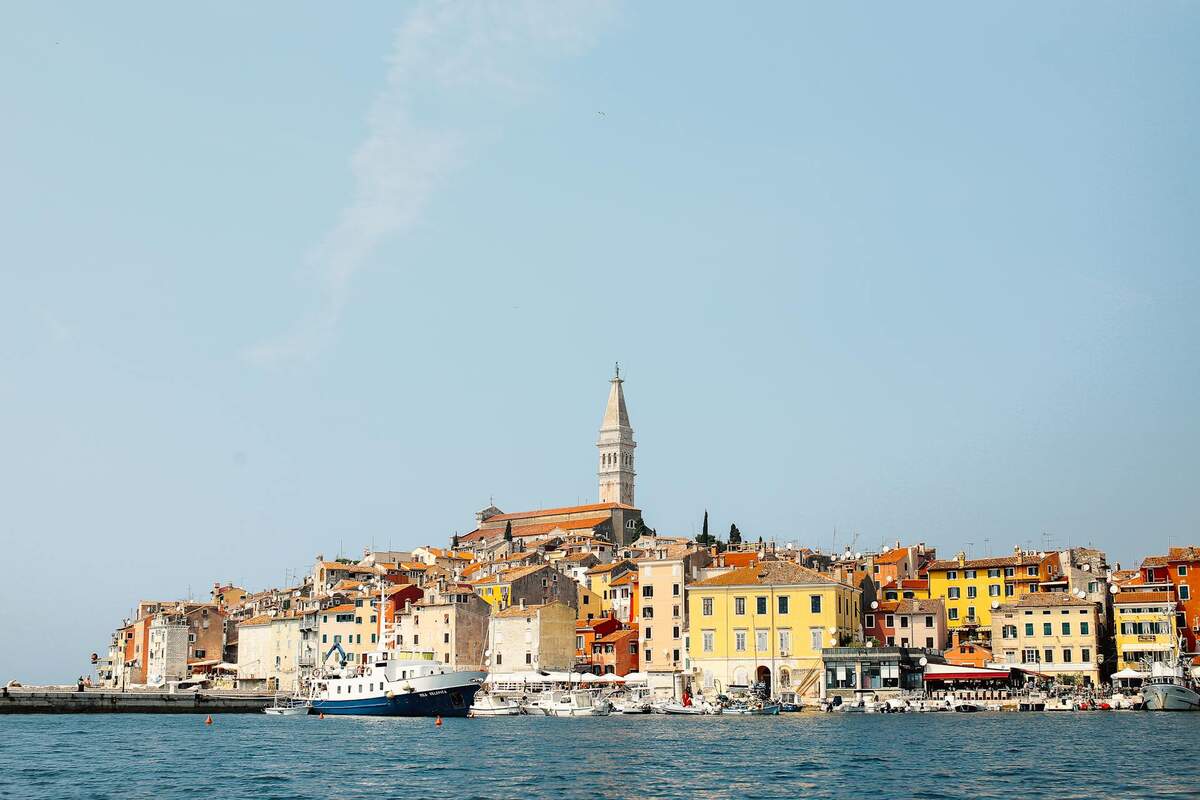
Visit Rovinj: What are the best accommodation options for every type of traveler?
Visit Rovinj: Finding the perfect place to stay is crucial for a memorable trip, and this charming town offers a diverse array of accommodation choices to fit every budget and style.
Whether you’re looking for luxury, a cozy apartment, or a lively campsite, you’ll find an option that feels like a home away from home. For those who want to splurge and indulge in opulence, the Grand Park Hotel Rovinj is the pinnacle of luxury.
This five-star hotel boasts breathtaking views of the Old Town, a stunning infinity pool, and a world-class spa, providing an experience that redefines coastal elegance. Another excellent upscale option is Hotel Lone, known for its sleek, modern design and its peaceful location within the Zlatni Rt Forest Park.
For a more intimate and authentic experience, consider staying in one of the many boutique hotels or guesthouses nestled within the narrow streets of the Old Town.
Places like the Hotel Angelo d’Oro offer a blend of historic charm and modern comfort, allowing you to wake up to the sounds and sights of this beautiful city. For budget-conscious travelers and those who prefer a more independent stay, there are countless private apartments and villas available for rent.
Websites like Airbnb and Booking.com list a wide variety of properties, from simple studios to spacious multi-room apartments, giving you the flexibility to cook your own meals and live like a local.
Finally, for nature lovers and families, the surrounding area of Rovinj offers a fantastic selection of campsites and resorts. Camping Polari and Camping Veštar are two popular choices, providing excellent facilities, swimming pools, and direct access to the sea.
When you Visit Rovinj, the right accommodation can elevate your trip, offering not just a place to sleep, but a base from which to explore and fall in love with this Istrian gem.
Visit Rovinj: How can I explore the surrounding areas and islands?
Visit Rovinj: While the Old Town is captivating, a significant part of its magic lies in its proximity to other stunning destinations and a beautiful archipelago. To truly appreciate the region’s full potential, you must venture beyond the city limits.
A classic and highly recommended day trip is to the Lim Fjord. This unique natural wonder, often compared to a Norwegian fjord, is actually a submerged canyon with steep, forested cliffs.
You can take an organized boat tour from the Rovinj harbor, which will sail you down the fjord, offering spectacular views and often including a stop for lunch at a local restaurant or a visit to a nearby pirate cave. Another fantastic option is to explore the Rovinj Archipelago.
A number of small, uninhabited islands and islets dot the sea just off the coast. The most popular are Red Island (Crveni otok) and St. Andrew’s Island (Otok Sv. Andrija), which are connected by a causeway. You can easily reach them by a short ferry ride from the main port.
Once there, you’ll find beautiful pebble beaches, walking trails through pine forests, and even the remains of a Benedictine monastery. For a taste of another charming Istrian town, consider a day trip to Motovun or Grožnjan.
These picturesque hilltop villages offer a different perspective on Istria’s history and culture, with Motovun famous for its truffles and Grožnjan known as the “town of artists.” Exploring these places by car allows you to drive through the beautiful Istrian countryside, dotted with vineyards and olive groves.
When you decide to Visit Rovinj, you’ll quickly realize that it’s the perfect base for discovering the wider region’s diverse landscapes and charming towns, enriching your overall travel experience.
Visit Rovinj: What are the best things to do for families with kids?
Visit Rovinj: This charming town is a fantastic destination for families, offering a perfect blend of culture, nature, and fun activities that will keep children of all ages entertained. The relaxed pace and pedestrian-friendly Old Town make it easy to explore without the stress of constant traffic.
A great starting point is the Zlatni Rt Forest Park. This expansive green space is an adventure playground for kids, with well-maintained walking and cycling paths, playgrounds, and plenty of shady spots for a picnic.
You can rent bicycles and cycle as a family, exploring the beautiful coastline and discovering hidden coves. The calm waters of Lone Bay are also ideal for young swimmers. Another must-do for families is a boat trip.
Take a short ferry to Red Island (Crveni otok), where kids can explore the grounds, play on the pebble beaches, and swim in the shallow, safe waters. Many boats also offer trips for dolphin watching at sunset, which is a magical experience for everyone.
In the heart of the Old Town, kids will love the adventure of navigating the narrow, winding streets. Let them lead the way and discover the hidden staircases and small squares.
The Batana House Eco-Museum is another engaging activity, as it uses interactive displays to tell the story of the traditional fishing boat, making history fun and accessible. For a dose of adrenaline, head to the nearby Aquapark Aquacolors, located just a short drive from Rovinj.
This water park offers a wide range of slides and pools, guaranteeing a day of pure excitement. The combination of beautiful nature, engaging history, and modern entertainment ensures that when you decide to Visit Rovinj, it will be a trip the whole family will cherish, creating memories that will last a lifetime.
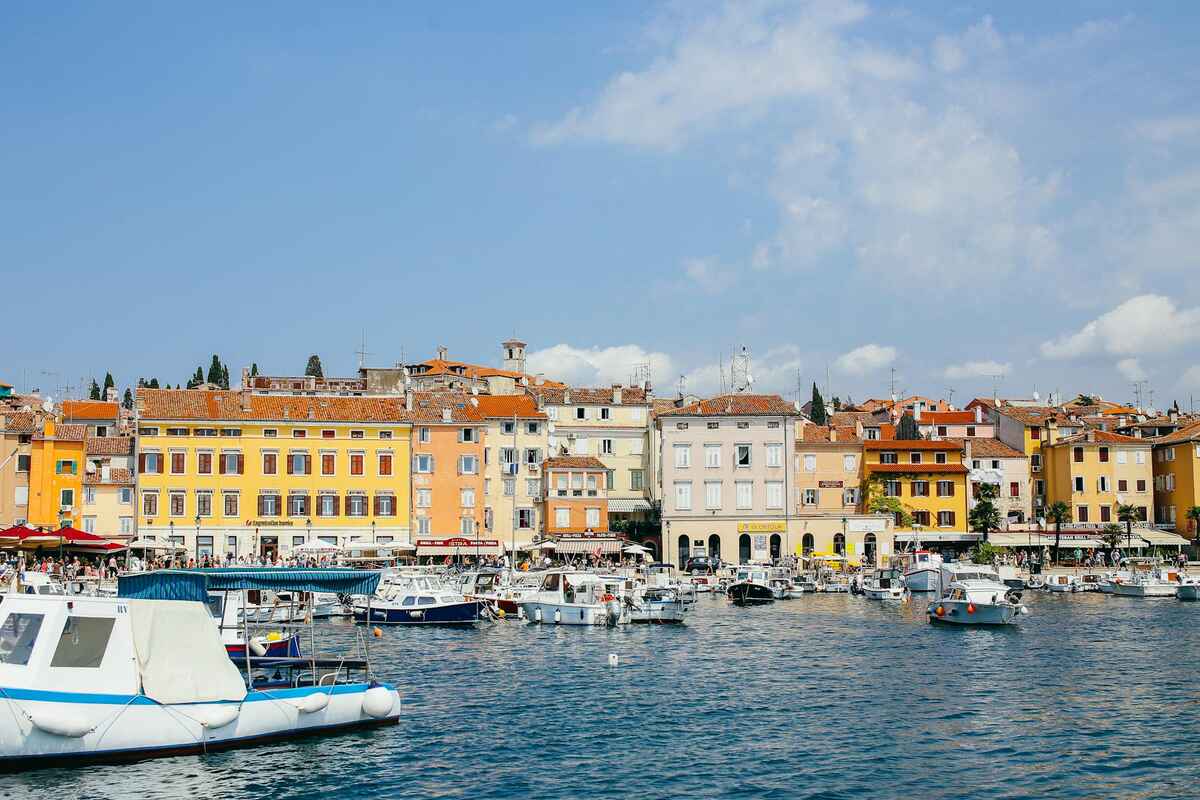
Visit Rovinj: What is the best time of year to visit this city?
Visit Rovinj: Choosing the right time to visit this beautiful coastal town can significantly shape your experience, as each season offers a unique charm and a different pace. The most popular time, and for good reason, is late spring (May and June) and early autumn (September).
During these months, the weather is wonderfully pleasant—warm and sunny but not oppressively hot—perfect for exploring the Old Town and relaxing on the beaches. The sea is warm enough for swimming, and the crowds are noticeably smaller than in the peak summer months.
This period is ideal for those who want to enjoy the best of what the Istrian gem has to offer without feeling overwhelmed by tourism. The shoulder seasons also feature a host of local events and festivals, such as the Rovinj Photodays festival, which adds an extra layer of cultural richness to your trip.
Summer (July and August) is the high season, and while it’s a bustling and vibrant time, it’s also the most crowded and expensive. The town is alive with energy, with events, concerts, and a lively nightlife, but the temperatures can be high, and finding a quiet spot on a beach can be a challenge.
If you thrive on a lively atmosphere and don’t mind the heat, this is the time to go. For those who prefer a more tranquil and authentic experience, winter (November to March) offers a completely different perspective. The town is much quieter, with many businesses closing for the season.
While the weather is cooler and less predictable, you get to see the real Rovinj, a working fishing village that is home to a tight-knit community.
During this time, you can still enjoy long walks along the harbor and cozy up in a traditional konoba. When you Visit Rovinj, it’s about finding the season that best matches your travel style, as this remarkable destination has something to offer year-round.
Visit Rovinj: How do I get around the city and beyond?
Visit Rovinj: Navigating this picturesque city and its surrounding areas is straightforward, with several convenient options that cater to different travel styles and needs. The Old Town itself is a pedestrian-only zone, a delightful maze of cobblestone streets and staircases that are best explored on foot.
This is where the true magic of the town lies, and walking is the only way to fully appreciate its charm. For getting from the Old Town to the rest of the city, and especially to the beaches in the Zlatni Rt Forest Park, bicycles are a fantastic and popular choice.
You can rent them from numerous shops, and the flat, well-maintained paths make for an enjoyable ride. For longer distances, or if you prefer not to walk, the local bus network is reliable and connects the main parts of Rovinj.
There are also tourist trains that run along the coast, offering a fun and scenic way to get to popular spots like the resorts and campsites. Taxis and ride-sharing services are readily available, providing a quick and easy option for getting around town or to and from your accommodation.
To explore the wider Istrian Peninsula, renting a car is highly recommended. Having your own vehicle gives you the freedom to discover the charming hilltop villages, visit local wineries, and explore the stunning coastline at your own pace.
The roads are well-maintained, and driving in this part of Croatia is generally a pleasant experience. For island hopping or reaching nearby coastal towns like Pula or Poreč, a network of ferry and boat services operates from the main harbor.
When you Visit Rovinj, you’ll find that getting around is part of the adventure, with each mode of transport offering a unique perspective of this stunning coastal jewel.
Visit Rovinj: What are some hidden gems or off-the-beaten-path spots?
Visit Rovinj: While the main attractions are deservedly famous, the true magic of this Istrian town often lies in its lesser-known corners and local secrets. To uncover the authentic soul of the city, you need to step off the well-trodden tourist path.
One such hidden gem is the Rovinj Aquarium. Tucked away in a quiet corner near the harbor, this small but charming aquarium offers a fascinating glimpse into the rich marine life of the Adriatic Sea.
It’s a peaceful escape from the summer crowds and a great spot for families or anyone with an interest in marine biology. For a unique art experience, seek out the Atelier Zaro. This small, family-run workshop and gallery is dedicated to creating beautiful handcrafted pottery, often using local clay.
You can watch the artists at work and purchase a unique, authentic souvenir. Another off-the-beaten-path spot is the Abandoned Monasteries on Red Island. While the island itself is popular, many visitors stick to the main beaches.
However, if you venture further in, you’ll find the serene ruins of a Benedictine monastery and the remains of a castle, offering a sense of history and quiet contemplation away from the crowds.
For food lovers, instead of eating at the bustling harbor restaurants, venture into the residential backstreets to find a small, family-run konoba where the locals eat. These places often serve the most authentic and delicious food.
Finally, for a stunning photo opportunity and a moment of peace, find the secret passages and staircases that lead down to the sea on the western side of the Old Town. These small, often-overlooked spots provide breathtaking views of the sunset and a sense of discovering something truly special.
When you Visit Rovinj, make sure to set aside some time for aimless wandering; you never know what wonderful surprises you’ll find around the next corner.
How can I enjoy the nightlife and evening activities?
Visit Rovinj: As the sun sets over the Adriatic, this vibrant coastal city transforms, offering a sophisticated and relaxed nightlife that caters to different tastes.
While it may not have the bustling club scene of bigger cities, its charm lies in its elegant cocktail bars, live music venues, and romantic seaside terraces. A perfect evening begins with a leisurely stroll along the waterfront promenade, where street performers and artists create a lively and festive atmosphere.
From there, find a cozy spot for a pre-dinner drink. The Valentino Cocktail & Champagne Bar is an institution, known for its stunning location on the rocks, where you can sip a refreshing cocktail just above the waves. It’s the perfect place to watch the sun dip below the horizon, painting the sky in fiery colors.
For a more casual vibe, head to the bustling harbor area, where numerous bars offer outdoor seating and a front-row view of the fishing boats and the lively evening crowd. Many of these spots host live music, from jazz to local folk, creating a wonderful soundtrack to your evening.
For a truly unique experience, consider a traditional batana boat ride. These evening tours offer a different perspective of the Old Town, with its illuminated bell tower and shimmering lights reflecting on the water.
Many of these tours include a traditional seafood dinner and a glass of local wine, combining sightseeing with a culinary treat.
Later in the evening, if you’re looking to dance, you can find a few smaller clubs and late-night bars that cater to a younger crowd, but the real heart of Rovinj’s nightlife is in its laid-back, atmospheric bars.
When you decide to Visit Rovinj, its evenings are not about wild parties but about savoring the moment, enjoying good company, and soaking in the romantic ambiance of this stunning Istrian gem.
What unique souvenirs can I buy to remember my trip?
Visit Rovinj: A great way to keep the memory of your trip alive is by bringing home a piece of its local culture. This charming town offers a variety of unique and authentic souvenirs that go beyond the typical tourist trinkets, reflecting the rich artistic and culinary heritage of Istria.
The most iconic souvenir you can buy is a bottle of Istrian olive oil. This region is renowned for producing some of the world’s finest olive oils, often referred to as “liquid gold.” Look for small, family-run shops that offer tastings, and purchase a bottle directly from a local producer for an authentic taste of the area.
Another culinary delight to bring home is truffles, a delicacy that the Istrian peninsula is famous for. You can find a wide range of truffle products, from truffle oil and paste to cheese infused with truffle.
For a sweet treat, consider buying rovinjski amaretini, small almond cookies that are a traditional specialty of the town. For art lovers, the winding streets of the Old Town are a treasure trove of unique finds.
The galleries on Grisia Street are the best place to find original paintings, ceramics, and sculptures created by local artists. Purchasing a piece of art not only supports the local community but also gives you a beautiful and meaningful memento of your travels.
Another excellent option is to buy locally made jewelry, often featuring designs inspired by the sea or traditional Istrian motifs. Finally, for a more practical souvenir, look for handmade items crafted from wood, such as traditional batana boat models, or textiles with local patterns.
When you Visit Rovinj, you’ll discover that the best souvenirs are not just objects but stories, reflecting the craftsmanship, flavors, and soul of this unforgettable coastal jewel.
Conclusion
As our guide comes to an end, it’s clear that Rovinj is much more than a destination; it’s an experience. From its history-rich streets and vibrant art scene to its delectable cuisine and stunning Adriatic vistas, this Istrian jewel offers a truly unforgettable journey for every traveler.
The memories you create here—whether you’re climbing the bell tower, sailing the serene waters, or simply getting lost in the cobblestone labyrinth—will stay with you long after you’ve left.
We hope this ultimate guide has provided you with all the inspiration and information you need to plan your adventure. So pack your bags and get ready to discover the magic for yourself. The enchanting coastal town of Rovinj awaits you.
FAQ
Rovinj is easily accessible by various means of transport. The closest international airport is Pula (PUY), which is about a 40-minute drive away. From there, you can rent a car, take a pre-booked shuttle, or use a local bus service to reach Rovinj. Many visitors also arrive by car, as it’s well-connected to the major highways in Croatia and neighboring countries. The city also has a port for ferries, making it possible to arrive from Italy.
Compared to some other popular European destinations, Rovinj can be considered moderately priced. Prices for accommodation, food, and activities can vary significantly depending on the season. The high season (July and August) is the most expensive time to visit, while the shoulder seasons (May-June and September) offer a better balance of good weather and more affordable prices. Dining at local konobas and staying in private apartments can help keep costs down.
Since Croatia joined the Eurozone, the official currency used in Rovinj and the rest of the country is the Euro (€). While some businesses may still accept credit cards, it’s always a good idea to have some cash on hand, especially for smaller purchases at local markets or for tipping.
No, it is not necessary to rent a car for exploring the town itself. The Old Town is a pedestrian-only zone, and the best way to experience it is on foot. For exploring the surrounding beaches and nearby areas like the Zlatni Rt Forest Park, bicycles are a popular and convenient option. However, if you plan to take day trips to other Istrian towns or wineries, having a rental car is highly recommended for flexibility.
The local cuisine in Rovinj is a treat for food lovers. You must try the fresh seafood, especially grilled fish and squid. The region is also famous for its truffles, so be sure to try fuži pasta with truffles. Don’t forget to sample local Istrian olive oil and prosciutto.
The nightlife in Rovinj is more relaxed and sophisticated than a bustling club scene. The evenings are best spent at the numerous bars and cafes along the waterfront, enjoying a glass of local wine or a cocktail. Many places feature live music, creating a wonderful, romantic atmosphere. For a truly unique experience, visit the famous Valentino Cocktail & Champagne Bar, built on the rocks with a stunning view of the sea.
Absolutely. Rovinj is a very family-friendly destination. The Zlatni Rt Forest Park offers plenty of space for kids to run and play, with safe, well-maintained cycling and walking paths. The nearby Aquapark Aquacolors provides a day of fun-filled water activities. The beaches are generally safe, and many local restaurants are welcoming to families.
Yes, the Adriatic Sea around Rovinj is known for its incredible clarity and beautiful turquoise color. While most of the beaches are pebbly or rocky, the water is clean and perfect for swimming. There are designated swimming areas and well-maintained spots with easy access to the water.
To fully experience Rovinj and the surrounding areas, a stay of at least 3 to 5 days is recommended. This allows enough time to explore the Old Town, relax on the beaches, enjoy a day trip to the Lim Fjord or a nearby island, and immerse yourself in the local culinary scene.
For unique and authentic souvenirs from Rovinj, consider buying local products like Istrian olive oil, truffle paste, or a bottle of local wine. The artisan shops in the Old Town are also great for finding handcrafted pottery, jewelry, and artwork created by local artists, offering a beautiful memento of your trip.

Author: Horeca Health
Horeca Health





Leave a Reply