Osteoporosis: Introduction
Osteoporosis: Losing height. Suffering a broken bone from a minor fall. Feeling chronic pain in your back that just won’t go away. These are often the first, stark realities of living with Osteoporosis, a pervasive and silent disease that gradually compromises the strength and structural integrity of your bones.
Affecting millions globally, this condition turns what should be a robust skeleton into a fragile structure, increasing the risk of life-altering fractures in the hip, spine, and wrist.
But despite its prevalence, many people remain unaware of their risk until a fracture brings them face-to-face with the seriousness of this diagnosis.
You don’t have to wait for a breaking point to understand this condition. We believe that taking proactive steps toward your long-term health starts with informed knowledge.
In this comprehensive guide, we are going to demystify every critical aspect of this bone-weakening disease.
We will dive deep into the underlying causes of bone density loss, meticulously detail the signs and symptoms that often go unnoticed, explore the definitive diagnostic tools used by experts, and break down the latest, most effective treatment and prevention strategies.
Our goal is to equip you with the knowledge to protect your skeletal structure and ensure your bones remain strong and resilient for years to come. Get ready to transform your understanding of your bone health and learn how to proactively manage the risks associated with this chronic condition.
What is osteoporosis and why is it often called a “silent disease”?
Osteoporosis is a pervasive and chronic condition characterized by the progressive deterioration of bone tissue, leading to structural fragility and a significantly elevated risk of sustaining fractures.
It is a disease defined by a skeletal system that has become abnormally porous, essentially turning the solid, robust structure of a healthy bone into a weak, sponge-like matrix.
This loss of bone mineral density occurs when the body’s natural cycle of bone remodeling—the continuous process of breaking down old bone and creating new bone—falls into imbalance.
Specifically, the rate of bone resorption dramatically outpaces the rate of new bone formation, leading to a net loss of bone mass over time.
The insidious nature of this decline is precisely why the condition has earned the unsettling moniker “silent disease.”
In its earliest, most manageable stages, it typically offers no clear warning signs, no pain, and no outward discomfort to alert an individual to the internal structural compromise taking place.
For many, the first agonizing indication that their bones are severely weakened by osteoporosis is an unexpected fragility fracture, often occurring from a seemingly trivial event like a minor slip, a cough, or a gentle bump.
These breaks most commonly affect the hip, spine, and wrist, representing a major life event that drastically changes independence and long-term physical health. Understanding this silent progression is the first crucial step toward effective prevention and management.
What are the main drivers of bone density loss that lead to the development of osteoporosis?
The development of osteoporosis is a multifactorial process, but the core issue revolves around hormonal fluctuations, metabolic disorders, and nutritional deficiencies that disrupt the delicate balance of skeletal maintenance.
For women, the dramatic drop in estrogen levels following menopause is the single most potent driver; estrogen plays a vital role in protecting bone, and its loss accelerates bone remodeling, tipping the scales heavily towards resorption and rapid bone density decline.
In both men and women, natural aging is an unavoidable factor, as our efficiency in producing new bone gradually decreases after our peak bone mass is reached in our twenties.
Beyond these natural processes, certain underlying endocrine conditions, such as hyperthyroidism or an overactive parathyroid gland, can flood the body with hormones that increase the rate of bone turnover.
Furthermore, lifestyle and dietary insufficiencies are significant contributors; a prolonged, insufficient intake of essential micronutrients like calcium and vitamin D critically impairs the body’s ability to create and sustain strong bone tissue.
Ignoring these fundamental inputs undermines the foundation of your skeletal health and makes the onset of progressive bone weakness more likely, emphasizing the need for a comprehensive view of how systemic factors interact to cause this debilitating condition.
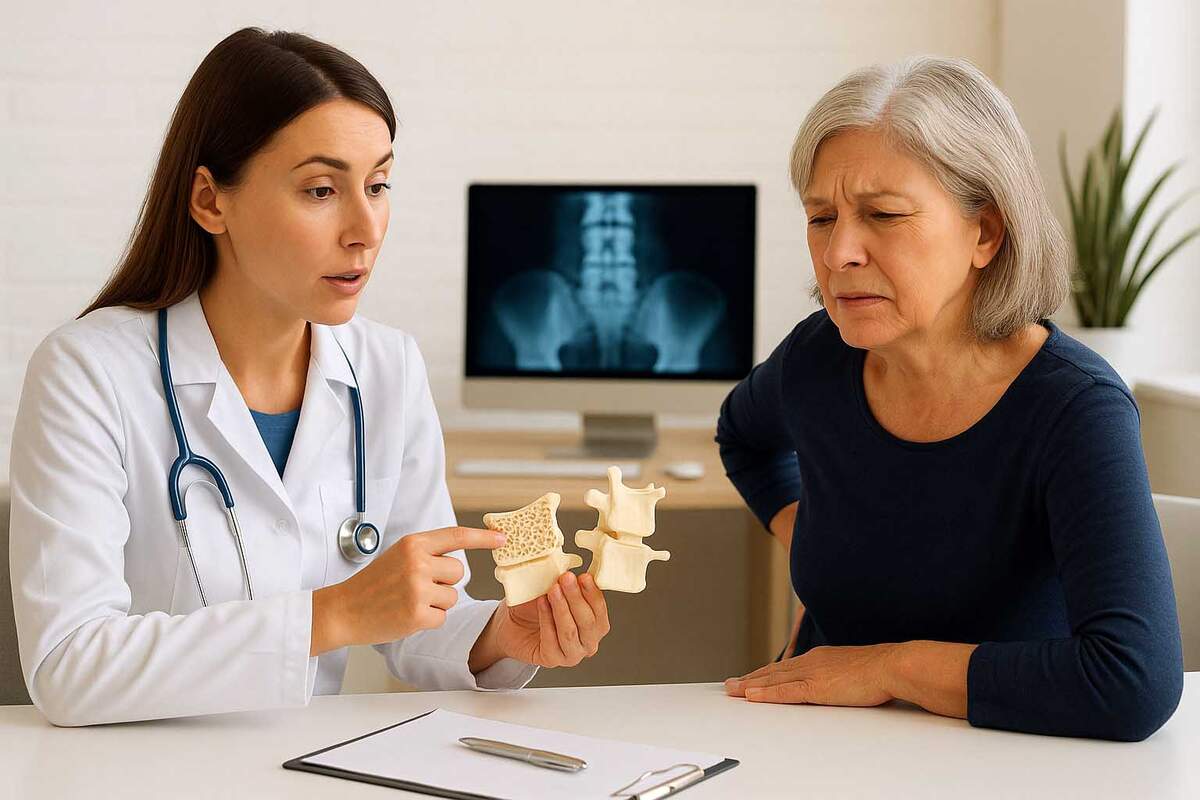
What are the common signs and symptoms of established skeletal fragility to look out for?
Once skeletal fragility has become established, the patient may move beyond the “silent” phase, and certain observable signs and symptoms of osteoporosis will begin to emerge, all pointing toward an underlying structural failure.
One of the most common and immediate indicators is the onset of sudden or chronic back pain, which frequently signals a vertebral compression fracture in the spine.
These fractures can occur spontaneously with little to no trauma, and while some are intensely painful, others may be mistaken for simple back stiffness or muscle aches.
A major physical sign is the progressive loss of height over time; this happens as multiple micro-fractures in the vertebrae cause the spinal column to shorten and collapse.
Coupled with height loss is the development of a distinctly stooped posture, scientifically termed kyphosis, which results from the forward curvature of the spine as the weakened vertebrae are unable to support the body’s weight.
The most obvious, yet most catastrophic, symptom is a bone that breaks with minimal force, known as a low-trauma fracture.
Recognizing these physical changes is paramount, as they are direct evidence that the disease has advanced and requires immediate medical attention to protect the individual’s physical health and quality of life.
How is this debilitating bone condition definitively diagnosed by healthcare professionals?
The definitive and gold-standard method for diagnosing this debilitating bone condition is the Dual-Energy X-ray Absorptiometry (DXA) scan, which provides a precise measurement of bone mineral density (BMD), a critical indicator of bone strength.
This non-invasive, low-radiation procedure typically measures BMD in the most vulnerable areas: the hip and the spine, as these are the sites where fragility fractures carry the most severe consequences.
The results of the DXA scan are presented as a T-score, which compares the patient’s bone density to that of a healthy young adult at peak bone mass. A T-score of -2.5 or lower is the clinical threshold for diagnosing osteoporosis, whereas a score between -1.0 and -2.5 indicates osteopenia, a precursor condition.
Beyond the scan, healthcare professionals employ a thorough diagnostic process that includes a comprehensive review of the patient’s medical history, a physical examination to check for signs like height loss or kyphosis, and a series of blood tests.
These laboratory tests are crucial for identifying secondary causes of bone loss, such as hyperparathyroidism, low Vitamin D levels, or celiac disease, all of which must be addressed to ensure a holistic approach to a patient’s skeletal health.
What role does nutrition play in the prevention and management of weak bones and osteoporosis?
Nutrition serves as a fundamental pillar in both the prevention and effective management of weak bones and the progression to osteoporosis, acting as the body’s essential source of skeletal building materials.
At the heart of this dietary strategy are calcium and vitamin D, the undisputed power duo for bone health.
Calcium provides the structural rigidity and hardness to the bone matrix, while vitamin D is absolutely indispensable because it regulates the absorption of calcium in the gut, ensuring that the mineral is actually available for bone construction and maintenance.
A lifelong pattern of low intake of these critical nutrients will inevitably compromise peak bone mass and accelerate loss in later life.
However, the nutritional strategy extends beyond just these two components; a sufficient intake of protein is also necessary, as the bone structure is comprised of a collagen framework that requires amino acids.
Trace minerals like magnesium, potassium, and vitamin K also play supporting roles in bone metabolism and mineralization.
Making conscious dietary choices to regularly consume calcium-rich foods like dairy, leafy greens, and fortified products, alongside adequate sunlight exposure or supplementation for vitamin D, is a simple yet powerful way to fortify your skeleton against the onset of osteoporosis.
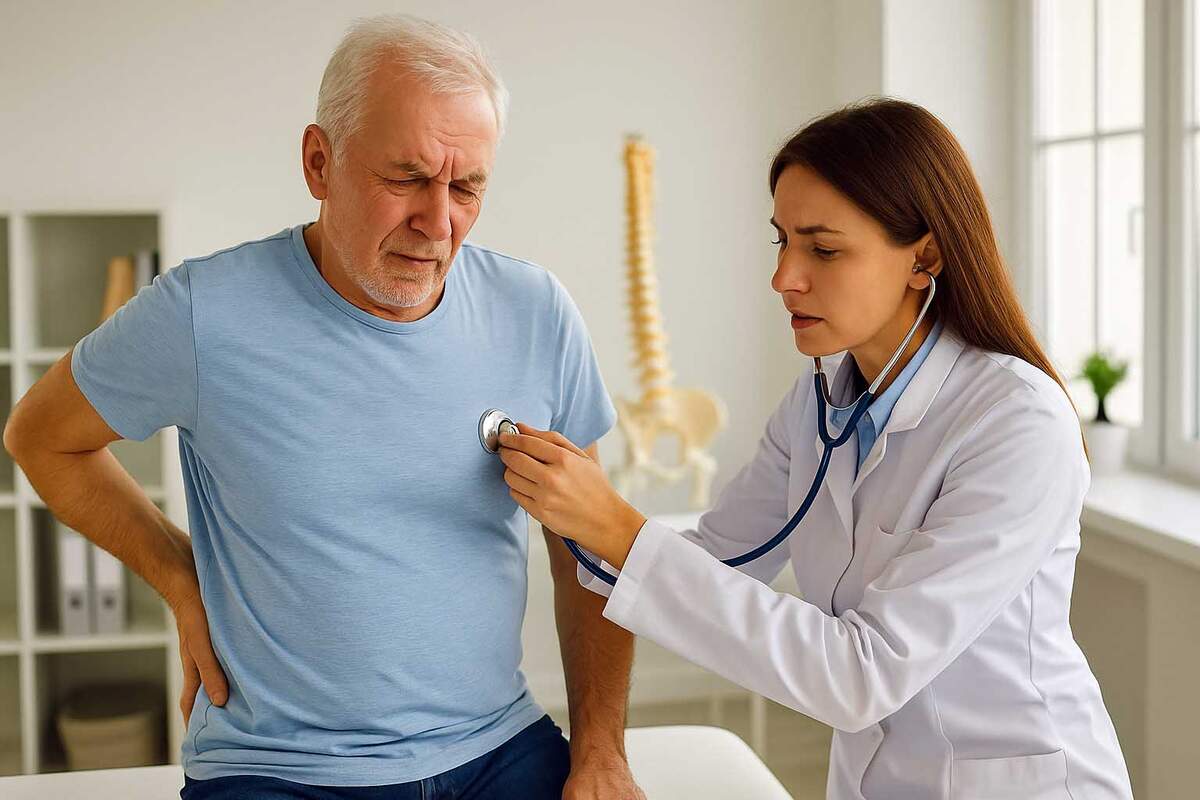
What are the non-pharmacological methods for improving low bone density?
Non-pharmacological strategies for improving low bone density focus primarily on leveraging the body’s natural capacity to strengthen bone through mechanical stress and optimal nutrition.
The key component here is consistent, targeted physical activity, particularly weight-bearing exercises. Activities such as brisk walking, running, dancing, and stair climbing create a low-level stress on the long bones in the legs and hips, stimulating the bone-forming cells (osteoblasts) to increase bone density in those critical areas.
This mechanical loading is vital for counteracting the disuse atrophy that contributes to bone loss. Equally important is resistance training, using weights, resistance bands, or bodyweight exercises, which puts tension on the tendons, further signaling to the attached bone tissue to strengthen itself.
Alongside exercise, optimizing lifestyle factors is crucial. This involves eliminating detrimental habits like smoking, which has a direct toxic effect on bone cells, and moderating alcohol intake, as excessive consumption is known to interfere with calcium absorption.
Adopting these disciplined habits is essential for reinforcing the skeleton’s structure, offering a robust foundation for good overall health, and supporting any medical intervention for skeletal decline.
Who is most at risk of developing this chronic bone disease, and why?
While osteoporosis can affect anyone, a distinct profile of individuals faces a significantly heightened risk due to a confluence of unchangeable and modifiable factors.
Postmenopausal women constitute the largest risk group globally, a biological reality rooted in the sharp, precipitous decline of estrogen which is a powerful protector of bone mass.
Beyond gender, age is a major contributor, with risk increasing substantially after the age of 50 as the bone remodeling process slows down and becomes less efficient.
Genetics also play an undeniable role; a family history of hip fractures or osteoporosis suggests a hereditary predisposition to lower peak bone mass or accelerated bone loss.
Uncontrollable factors aside, modifiable risks are abundant and include a consistently sedentary lifestyle, chronic low intake of calcium and Vitamin D, and the long-term use of certain medications, notably corticosteroids, which can suppress bone formation.
Recognizing these risk factors, whether they are intrinsic or behavioral, is the first and most vital step toward proactive screening and implementing preventative strategies to protect the individual’s future skeletal health.
Can lifestyle interventions prevent the progression of osteopenia to advanced osteoporosis?
Absolutely, targeted lifestyle interventions are arguably the most effective and accessible way to prevent the progression from osteopenia—the stage of moderate bone loss—to advanced osteoporosis.
Since osteopenia is a significant warning sign, it provides an opportunity to intervene before a major fracture risk develops. The cornerstone of this prevention strategy is a steadfast commitment to regular weight-bearing and muscle-strengthening exercise.
Physical activity not only preserves existing bone mass but can also stimulate a modest increase in bone density, essentially buying time and adding strength to the skeletal structure.
Concurrently, a focused nutritional overhaul is paramount; this means meticulously ensuring the daily recommended intake of both calcium and vitamin D, often requiring supplementation, to give the bone-building cells the necessary raw materials.
Furthermore, eliminating behaviors that are toxic to bone, such as heavy smoking and excessive alcohol use, immediately halts a major source of accelerated bone loss.
By embracing these powerful, non-pharmacological changes, an individual can take significant control over their future skeletal health, effectively creating a buffer that slows down the decline and prevents the severe structural fragility characteristic of progressive bone disease.
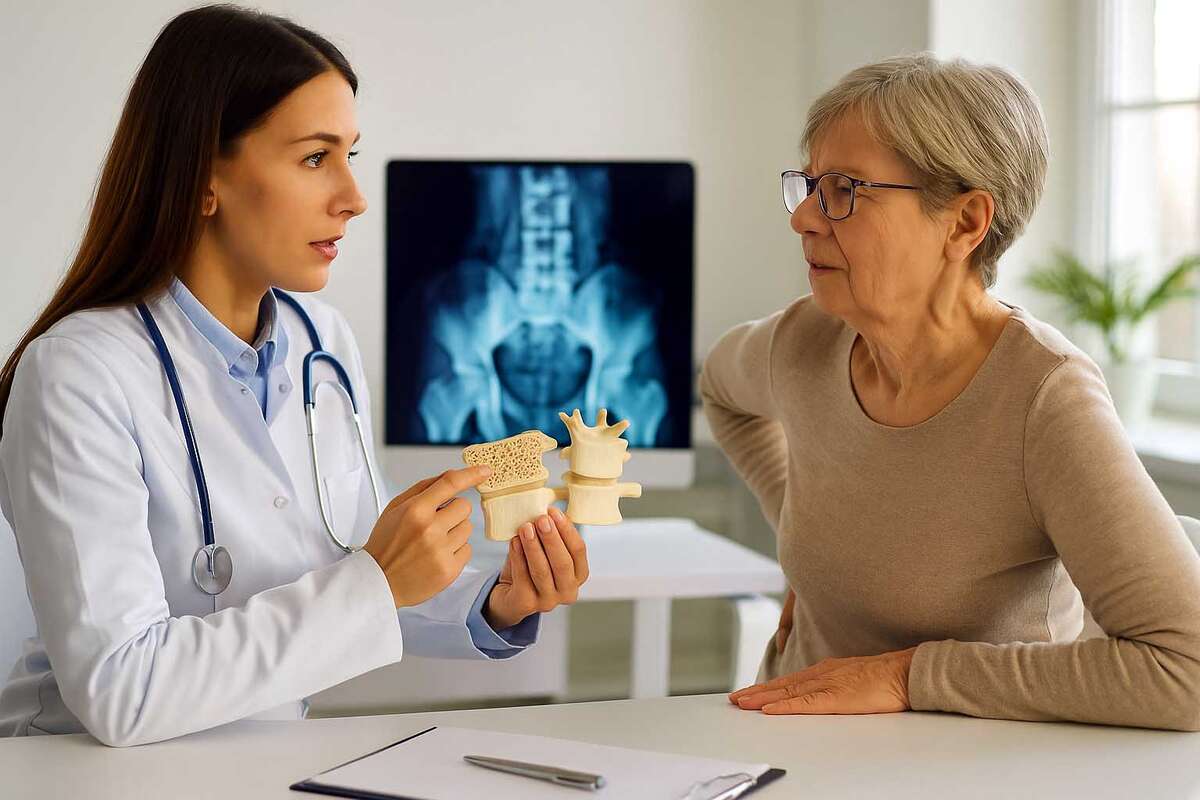
What are the most common pharmacological treatments for managing advanced osteoporosis?
The management of advanced osteoporosis almost always requires a pharmacological approach to significantly reduce the imminent risk of debilitating fractures.
The most widely prescribed class of medications are bisphosphonates, which work primarily by inhibiting the activity of osteoclasts—the cells responsible for breaking down bone tissue.
These drugs effectively slow bone resorption, allowing the bone-forming cells to catch up and stabilize or even improve bone density. For more severe cases, or for patients who cannot tolerate bisphosphonates, specialized anabolic agents may be used.
These newer, potent drugs work differently by directly stimulating new bone formation, actively rebuilding the compromised skeletal structure. Other options include selective estrogen receptor modulators (SERMs), which mimic estrogen’s beneficial effects on bone, and specific hormonal therapies.
The choice of medication is a complex decision, relying on factors like the patient’s overall health, the severity of their T-score, and their specific fracture history.
Because these treatments are long-term, requiring consistent adherence and monitoring, regular follow-up with a specialist is necessary to ensure optimal efficacy and manage any potential side effects of treating the underlying bone fragility.
How does a vertebral fracture impact a person’s quality of life and long-term health?
A vertebral compression fracture, a common consequence of advanced skeletal weakening, is far more than a simple broken bone; it has a profound and often devastating impact on a person’s quality of life and long-term health.
These fractures cause immediate, severe back pain, which often progresses into chronic, persistent discomfort that limits daily activities, making simple tasks like lifting or bending incredibly difficult.
The physical deformity that results, namely the stooped posture (kyphosis), not only affects appearance and self-esteem but can also lead to secondary problems, including a restricted lung capacity and difficulties with digestion due to the compression of internal organs.
Furthermore, the pain and loss of mobility frequently lead to a cycle of reduced physical activity, which in turn accelerates further bone loss and muscle atrophy, increasing the risk of subsequent fractures.
The loss of independence and the potential for chronic pain require extensive physical therapy and pain management strategies.
This chain of negative events underscores the urgency of preventing the progression of bone thinning, as maintaining skeletal integrity is essential for preserving functional ability and overall physical health.
Why is preventing falls critical for people with decreased bone density?
Preventing falls is, without question, the most critical element of care for anyone diagnosed with decreased bone density, as a fall acts as the final trigger for a major, life-altering fracture.
For a person with osteoporosis, even a seemingly minor slip or stumble from standing height can generate enough force to shatter a hip or collapse a vertebra, injuries that are a leading cause of disability and mortality among the elderly.
The focus shifts from solely treating the bone to creating a completely safe environment and optimizing physical stability. This involves a two-pronged strategy: addressing extrinsic environmental hazards and improving intrinsic physical factors.
Environmentally, this means removing tripping hazards in the home, ensuring adequate lighting, and installing assistive devices like handrails.
Intrinsically, it involves physical interventions such as balance training programs (e.g., Tai Chi), lower extremity strengthening exercises, and regular medication reviews to eliminate drugs that cause dizziness or sedation.
Comprehensive fall prevention is not merely a recommendation; it is a fundamental public health imperative that directly preserves independence, prevents acute trauma, and significantly reduces the personal and economic burden associated with fragility fractures.
What are the latest advances in treating brittle bones and ensuring long-term skeletal support?
Recent years have brought significant and exciting advances in the treatment of brittle bones, moving beyond traditional methods to focus on actively rebuilding the skeletal structure and ensuring long-term support for those living with bone fragility.
A major development is the introduction of powerful anabolic agents, which are a class of medications designed to stimulate the formation of new bone tissue, rather than just slowing down bone resorption.
These newer therapies offer a chance to reverse some of the bone loss and significantly increase bone mineral density in patients with severe osteoporosis.
Another key area of progress is in personalized risk assessment, utilizing advanced fracture risk algorithms like the FRAX tool, which integrates clinical risk factors with bone density results to better predict an individual’s 10-year probability of fracture, leading to more tailored and timely treatment initiation.
Furthermore, there is an increased emphasis on coordinated care models, where specialized Fracture Liaison Services (FLS) ensure that every patient who sustains a fracture is automatically screened and treated for the underlying condition.
These evolving approaches mark a significant shift towards more aggressive, effective treatment and holistic skeletal health management, offering improved outcomes and a better future for patients.
Conclusion
After thoroughly exploring the complexities of this condition, from the silent decline of bone density to the latest advancements in treatment, one central message should resonate: proactive knowledge is your most powerful defense against osteoporosis.
We’ve seen how this disease, often a stealthy threat, is defined by an imbalance in the bone remodeling cycle, accelerated by factors like menopause, age, and lifestyle choices.
We understand that while the visible symptoms—height loss, kyphosis, and unexpected fractures—are severe, the journey to maintaining robust skeletal health begins long before these signs appear.
The good news is that you are empowered to act. Adopting a lifestyle rich in calcium and Vitamin D, engaging in regular weight-bearing exercise, and taking critical steps to prevent falls are not just recommendations; they are vital, actionable strategies to preserve your bone mass and minimize fracture risk.
For those already diagnosed, modern medical therapies offer powerful tools to halt progression and, in some cases, even rebuild compromised bone.
Don’t wait for a fracture to define your health future. By taking decisive action today, you ensure that your body’s structural foundation remains strong, supporting a life of mobility, independence, and overall well-being.
FAQ
Osteoporosis is a common skeletal disorder characterized by a decrease in bone mass and density, which leads to fragile bones that are highly susceptible to fractures. It literally means “porous bone.” This weakening occurs when the creation of new bone tissue cannot keep up with the removal of old bone tissue, causing the internal structure of the skeleton to become compromised.
The highest-risk group consists of postmenopausal women, primarily due to the sharp decline in estrogen, which is essential for maintaining bone density. Other high-risk factors include advanced age (over 50), a family history of fragility fractures, being of Caucasian or Asian descent, and individuals with a low body mass index (small, thin frame).
The definitive screening tool for osteoporosis is a Dual-Energy X-ray Absorptiometry (DXA) scan. This quick, non-invasive test measures bone mineral density (BMD), typically at the hip and spine. The results are reported as a T-score; a T-score of -2.5 or lower confirms the diagnosis of established osteoporosis.
In its earliest stages, osteoporosis is often asymptomatic, which is why it is called a “silent disease.” However, as bone loss progresses, early signs can include height loss over time (more than one inch), the development of a stooped posture (kyphosis), or the sudden onset of chronic back pain, which may indicate a vertebral compression fracture.
The most effective prevention strategies involve a combination of nutrition and exercise. This includes ensuring a consistent, adequate intake of calcium and Vitamin D, as well as regular engagement in weight-bearing exercises (like walking or running) and resistance training (such as lifting weights). Avoiding smoking and limiting alcohol intake are also vital to mitigating the risk of osteoporosis.
The most common first-line medications for treating osteoporosis are bisphosphonates. These drugs work by slowing down the cells that break down bone tissue (osteoclasts). For more severe cases, or for patients who cannot tolerate bisphosphonates, doctors may prescribe powerful bone-building (anabolic) agents that actively stimulate new bone formation.
Yes, osteopenia is considered a precursor to osteoporosis. Osteopenia refers to low bone mass that is not yet severe enough to be classified as osteoporosis. It is diagnosed with a T-score between -1.0 and -2.5. A diagnosis of osteopenia serves as a critical warning sign that requires immediate lifestyle interventions and possible early medical treatment to prevent progression to full-blown disease.
Men absolutely can and do suffer from osteoporosis. While it is more prevalent in women due to menopause, about one in five men over the age of 50 will experience a fracture due to low bone density. The causes in men can often be secondary, related to low testosterone, chronic diseases, or the long-term use of certain medications.
A fragility fracture is a broken bone that occurs from a fall from a standing height or less, or one that happens spontaneously. It is the defining clinical consequence of osteoporosis. These fractures most commonly affect the spine (vertebrae), hip, and wrist, and they are responsible for the significant pain and disability associated with the disease.
While it is difficult to completely reverse the structural damage caused by severe osteoporosis, it is certainly manageable. The goal of modern treatment is to stop further bone loss, stabilize or increase bone density, and drastically reduce the risk of future fractures. With the right combination of medication, diet, and exercise, patients can significantly improve their bone strength and quality of life.

Author: Horeca Health
Horeca Health
DISCLAIMER
All content provided on this website is for informational purposes only and should not be considered a substitute for professional advice, diagnosis, or treatment. Always consult qualified healthcare professionals regarding any questions or concerns you may have about your health or any medical condition.




















Leave a Reply