Profile
Duomo di Milano: A Gothic Masterpiece in the Heart of Milan
The Duomo di Milano, or Milan Cathedral, stands as a breathtaking testament to Italian Gothic architecture and an enduring symbol of the city itself. Its construction, a monumental undertaking that spanned nearly six centuries, reflects a deep-seated commitment to faith, artistry, and engineering prowess.
Begun in 1386 under Archbishop Antonio da Saluzzo and financed largely by the city’s ruling Visconti family, the cathedral was envisioned as a grander, more majestic successor to the existing Santa Maria Maggiore.
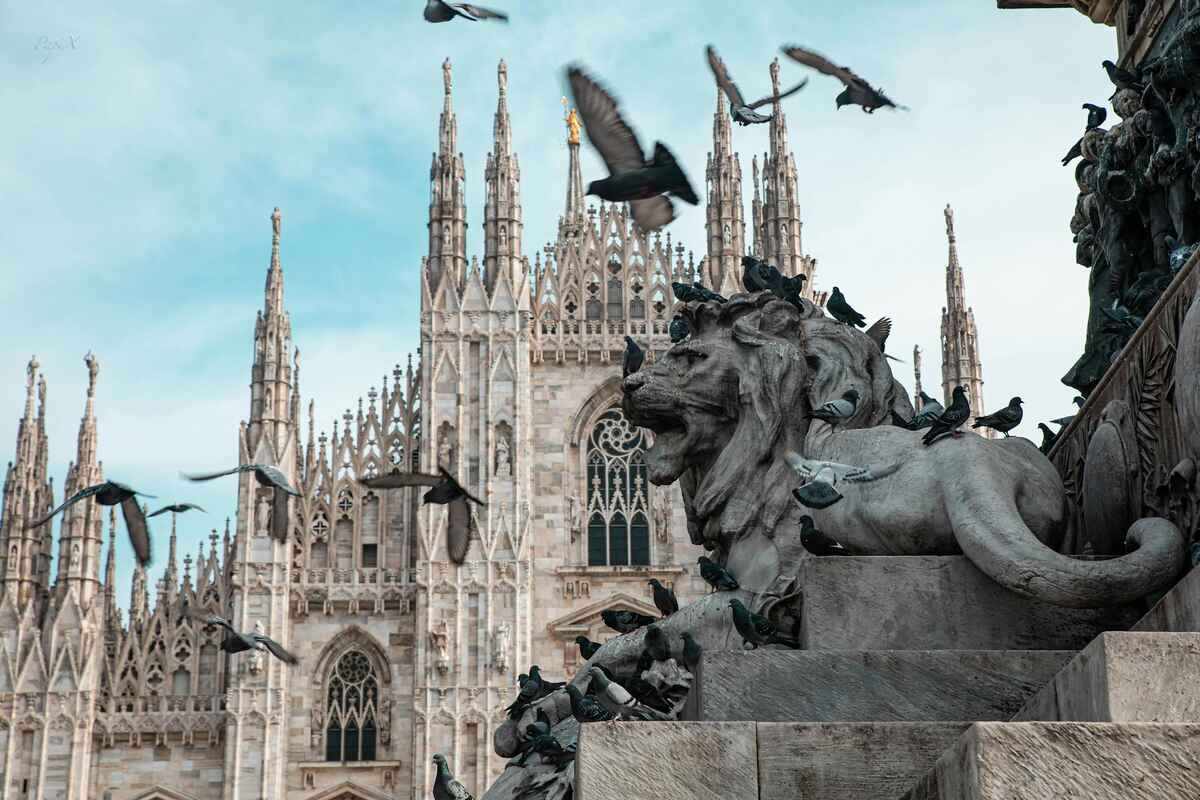
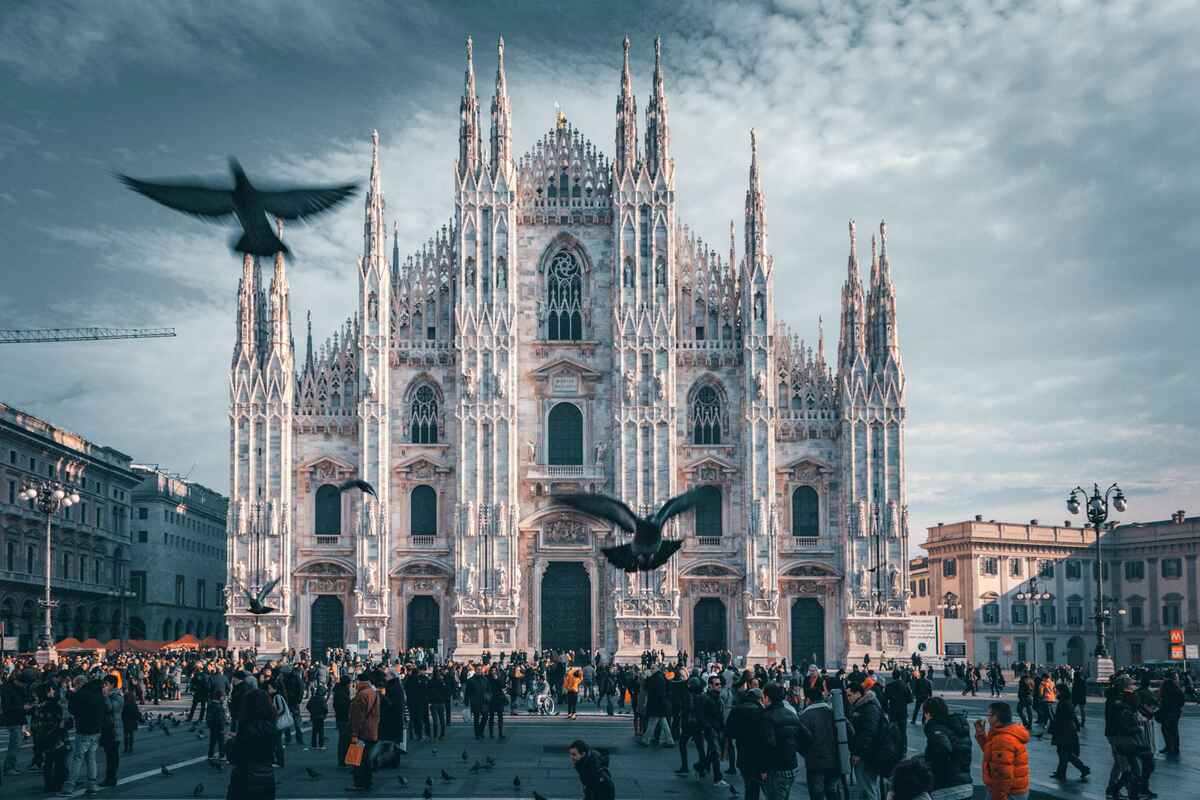
This ambitious project saw the involvement of countless master craftsmen, architects, and engineers from across Europe, each contributing their unique skills to its intricate design. The Duomo’s design is a complex fusion of Italian and Northern Gothic styles, characterized by its towering spires, delicate pinnacles, and a facade adorned with a staggering number of sculptures.
The sheer scale of the building is overwhelming, covering an area of 11,700 square meters and capable of holding up to 40,000 people. This architectural marvel not only serves as the seat of the Archbishop of Milan but also as a living museum, housing an impressive collection of artworks, including stained-glass windows that depict biblical stories with vibrant detail.
The cathedral’s location in the Piazza del Duomo, the city’s central square, places it at the very heart of Milanese life, both historically and in the present day.
Visitors are drawn not only to its magnificent exterior but also to the awe-inspiring interior, where light streams through the immense stained-glass, illuminating the high vaulted ceilings and the solemn atmosphere within. The Duomo di Milano is more than just a church; it is a historical record carved in marble, a masterpiece that continues to inspire wonder and reverence.
Duomo di Milano: Unveiling the Secrets of Its Construction
The Duomo di Milano‘s construction story is as epic as the building itself, a saga of perseverance, innovation, and unwavering artistic dedication.
The sheer scale of the project presented monumental challenges, from sourcing the vast quantities of Candoglia marble—transported via a specially constructed canal system—to perfecting the complex architectural techniques required for such a colossal structure.
Early designs were heavily influenced by French and German Gothic traditions, a stylistic choice championed by some of the initial architects. However, over the centuries, the cathedral’s aesthetic evolved, incorporating a distinctly Italian flair that is evident in its decorative elements and the overall harmony of its design.
The famous spires, or guglie, of which there are 135, were added later, each one a miniature work of art crowned with a saintly statue. The most celebrated of these is the Madonnina, a golden statue of the Virgin Mary that sits atop the tallest spire, standing as the highest point in Milan and a cherished symbol of protection for the city.
This continuous process of refinement and addition meant that the cathedral was perpetually a work in progress. For centuries, generations of Milanese citizens and master builders dedicated their lives to its completion, turning the construction site into a hub of creative activity and technological advancement.
The Duomo di Milano is therefore not the vision of a single genius but rather a collective masterpiece, a culmination of the efforts of countless individuals whose names may be lost to history but whose work endures in every carved detail and soaring arch.
Duomo di Milano: A Symbol of Faith and Artistic Grandeur
The Duomo di Milano serves as a profound symbol of Milan’s spiritual life and its rich artistic heritage. Beyond its imposing facade, the cathedral’s interior is a sanctuary of breathtaking beauty and spiritual significance.
The vast nave, supported by 52 colossal columns, draws the eye upward towards the intricate rib vaulting, creating a sense of profound space and reverence. The cathedral’s stained-glass windows are among its most treasured features, renowned for their scale and artistry.
Dating from the 15th to the 20th centuries, these vibrant panels depict a stunning array of biblical scenes and stories of saints, bathing the interior in a kaleidoscope of colored light. The craftsmanship on display is extraordinary, with each window telling a detailed narrative.
A particularly revered element is the statue of St. Bartholomew Flayed, a striking and somewhat unsettling masterpiece by Marco d’Agrate. The statue depicts the saint with his skin draped over his shoulders, a powerful and anatomically precise representation of his martyrdom.
The Duomo di Milano also holds a significant relic: a nail believed to be from the True Cross, which is elevated and displayed to the public once a year during the Rite of the Nivola. The cathedral’s crypt and treasury further enrich the visitor’s experience, housing ancient artifacts, precious vestments, and liturgical objects that chronicle the church’s long and storied history.
This combination of sacred relics, magnificent art, and architectural brilliance makes the Duomo a powerful spiritual center and a museum of unparalleled artistic value.
Duomo di Milano: Exploring the Rooftop and Its Panoramic Views
The Duomo di Milano offers a truly unique and unforgettable experience with its accessible rooftop. Ascending to the terraces provides visitors with a chance to walk among the forest of spires, pinnacles, and statues that define the cathedral’s skyline.
This rooftop experience is a highlight for many, allowing for an intimate look at the meticulous craftsmanship that adorns the highest points of the building. The statues of saints and gargoyles, which from the ground appear as mere details, reveal their intricate features and expressions up close.
Walking along the marble terraces, you can truly appreciate the architectural genius that went into creating such a complex and beautiful structure. The pinnacle of the rooftop visit is reaching the base of the main spire, where the glorious golden statue of the Madonnina stands guard over the city.
From this vantage point, the panoramic views of Milan are simply spectacular. On a clear day, the vista extends far beyond the city’s modern skyline, allowing you to see the snow-capped peaks of the Alps in the distance. The contrast between the ancient marble of the cathedral and the bustling, modern city below is striking.
Visiting the rooftop of the Duomo di Milano is not merely an act of sightseeing; it is an immersive journey into the heart of its design and a chance to see the city from a perspective few get to experience.
The Piazza and Its Vibrant Cultural Hub
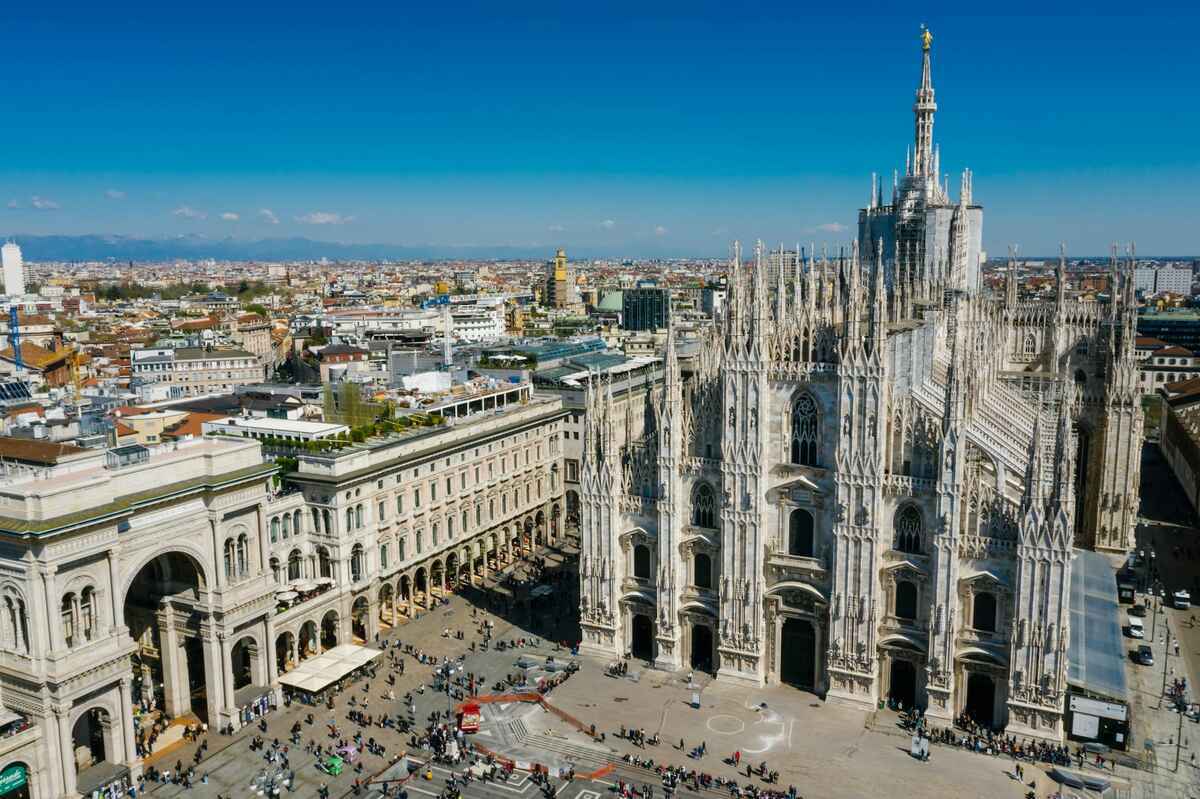
The Duomo di Milano is the central feature of Piazza del Duomo, the main square of Milan, which buzzes with life and cultural activity. This vast public space, dominated by the cathedral, is not just a place for tourists but is the very social and geographical heart of the city.
For centuries, the piazza has been the stage for major civic and religious events, from coronations to political gatherings and public celebrations. It is a meeting point, a place for leisurely strolls, and a gateway to some of Milan’s most famous landmarks.
Surrounding the square are other iconic buildings, including the Palazzo Reale (Royal Palace) and the Museo del Novecento, which houses an impressive collection of 20th-century Italian art.
Perhaps the most famous neighbor is the Galleria Vittorio Emanuele II, a stunning 19th-century shopping arcade with a glass-domed roof, often called “Il Salotto di Milano” (Milan’s drawing room).
The synergy between the cathedral and the piazza is powerful; the square provides the perfect foreground to appreciate the Duomo’s immense scale and intricate facade, while the cathedral’s presence gives the square its solemn grandeur. The constant flow of people, the street artists, and the vibrant atmosphere make Piazza del Duomo a microcosm of Milanese life.
A visit to the Duomo di Milano is incomplete without spending time in this dynamic square, soaking in the energy and appreciating its central role in the city’s identity.
A Timeless Legacy and a Must-Visit Destination
The Duomo di Milano remains one of the world’s most compelling architectural and cultural destinations, a magnet for visitors seeking beauty, history, and spiritual reflection. Its timeless legacy is rooted in the centuries of effort that went into its creation and its continuous role as a central pillar of Milanese identity.
From the awe-inspiring facade adorned with thousands of statues to the serene and light-filled interior, every aspect of the cathedral tells a story of faith and human ingenuity.
A visit here is a multi-layered experience, offering the chance to explore its hallowed halls, walk the unique rooftop terraces for a panoramic view, and delve into its rich history in the crypt and museum. The Duomo is not a static relic of the past but a living, breathing part of the city’s present, hosting daily services and major events.
The continuous restoration and maintenance efforts ensure that this magnificent structure will stand for generations to come, allowing future visitors to marvel at its grandeur. Whether you are an art historian, a religious pilgrim, or simply a curious traveler, the Duomo di Milano has something profound to offer.
Its sheer scale, intricate details, and the palpable sense of history make it an unforgettable landmark and an essential stop on any journey to Italy, solidifying its place as a true gem of global heritage.