Profile
The Colosseum: Rome’s Enduring Amphitheatre
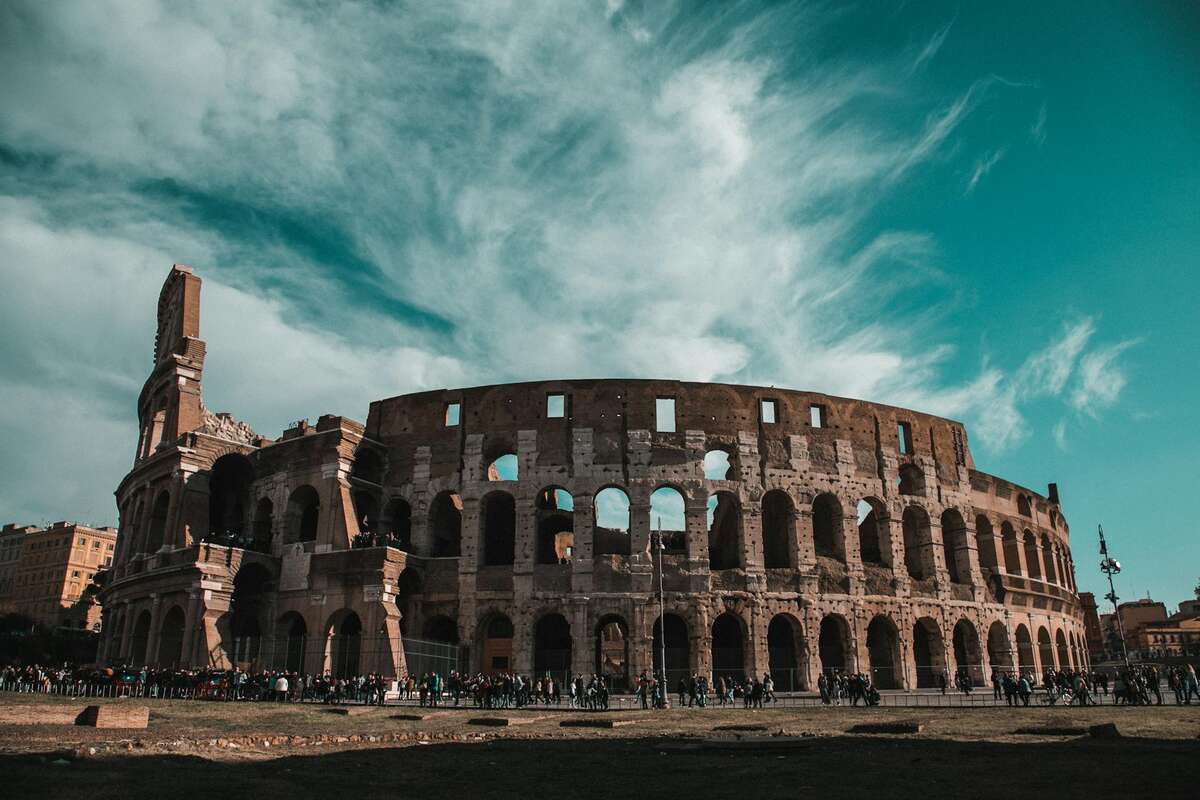
The Colosseum, an iconic symbol of Imperial Rome, stands as a testament to ancient Roman engineering prowess and architectural ambition. This magnificent amphitheater, originally known as the Flavian Amphitheatre, was commissioned by Emperor Vespasian in 72 AD and completed by his successor and son, Titus, in 80 AD.
Its immense scale, capable of seating an estimated 50,000 to 80,000 spectators, speaks volumes about the Roman Empire’s power and its people’s insatiable appetite for grand spectacles.
The Colosseum hosted a variety of public shows, including gladiatorial contests, animal hunts, mock sea battles, and theatrical performances, serving as a central hub for entertainment and a means for emperors to gain popular support.
Its elliptical shape, measuring 189 meters long, 156 meters wide, and 50 meters high, was a marvel of design, utilizing a complex system of arches, vaults, and concrete, a revolutionary material for its time.
The sheer effort and resources poured into its construction underscore its importance to Roman society and its enduring legacy as one of the world’s most recognizable landmarks.
The Colosseum: A Glimpse into Roman Entertainment
The Colosseum offered a unique and often brutal window into the entertainment preferences of ancient Rome. While gladiatorial combats are perhaps its most famous association, the array of spectacles held within its walls was far more diverse.
The arena floor, often covered with sand to absorb blood, could be transformed to create elaborate sets for animal hunts, featuring exotic beasts brought from the far reaches of the empire. There were also public executions, re-enactments of famous battles, and even naval battles known as naumachiae, where the arena was flooded with water.
These events were not merely for entertainment; they also served a political purpose, allowing emperors to demonstrate their generosity and power to the populace.
The sophisticated system of trapdoors and pulleys beneath the arena, known as the hypogeum, allowed for the dramatic entrance of animals and gladiators, further enhancing the theatricality of the events. The Colosseum truly provided a comprehensive and immersive experience for its ancient audiences.
The Colosseum: Architectural Innovation and Engineering Marvel
The Colosseum stands as a paramount example of Roman architectural innovation and advanced engineering. Its construction involved the ingenious use of concrete, a material that allowed for the rapid and efficient building of massive structures.
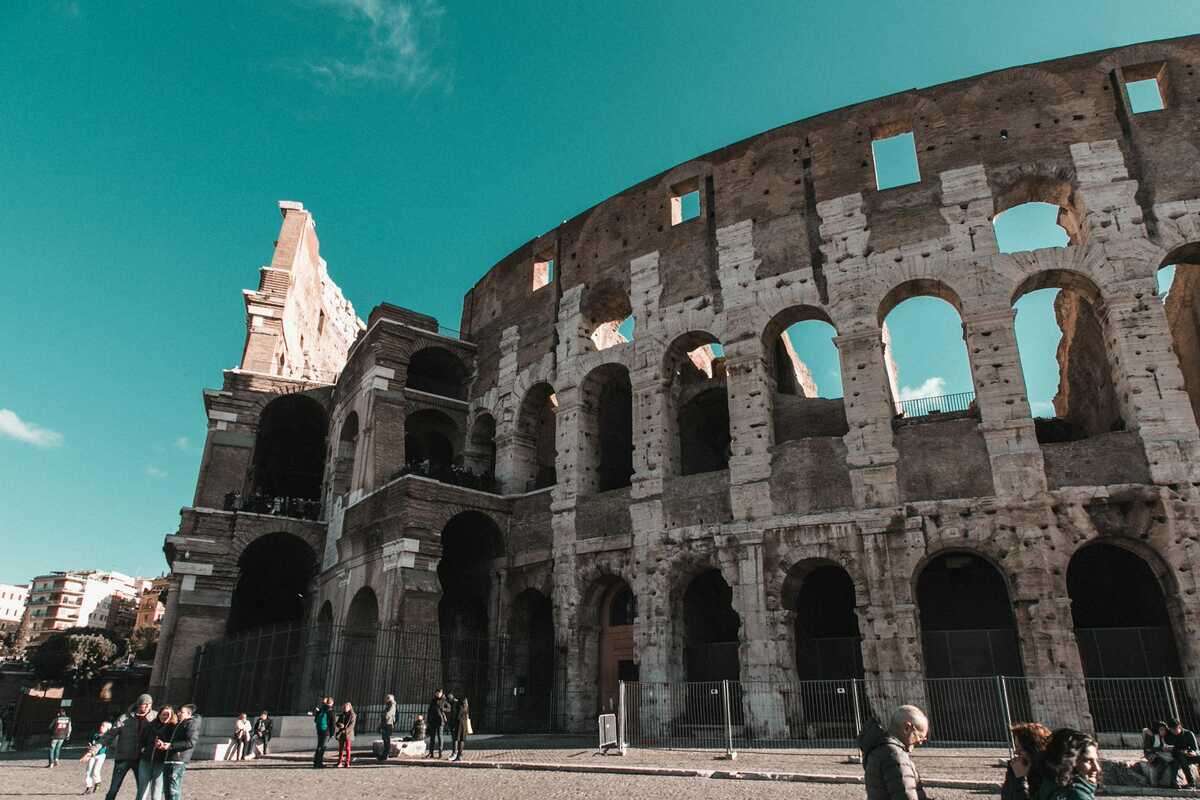
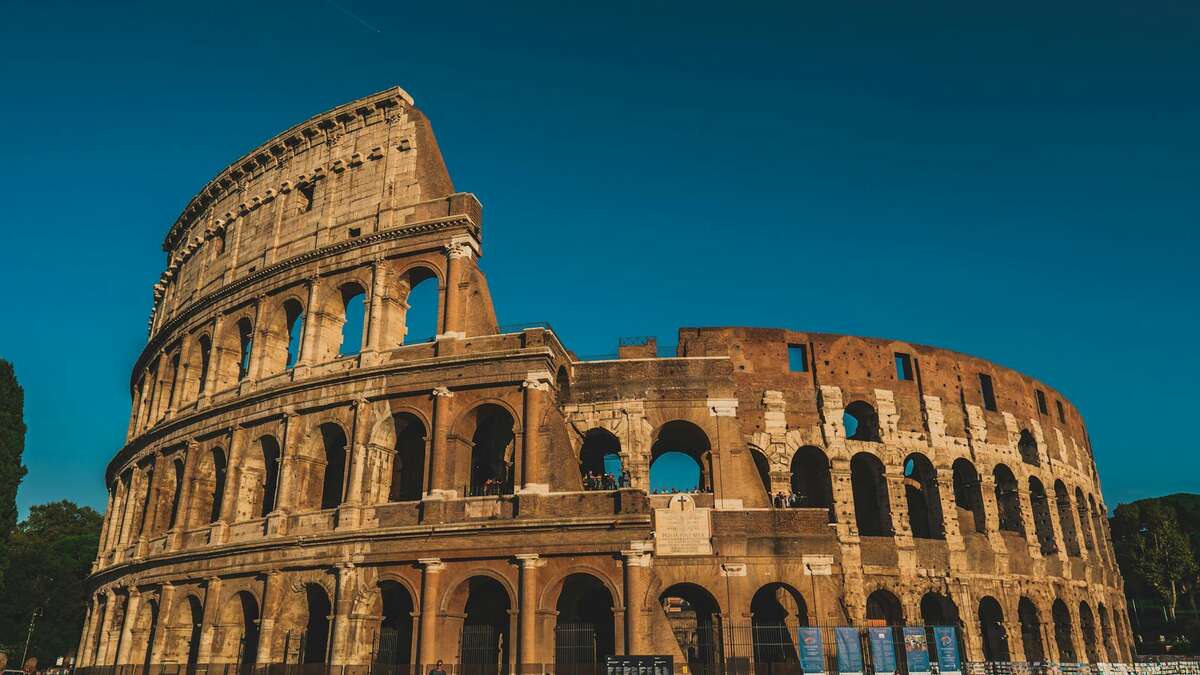
The exterior facade, consisting of four stories, showcased different architectural orders: Doric on the first level, Ionic on the second, and Corinthian on the third and fourth. This hierarchical arrangement not only added to its aesthetic appeal but also demonstrated the Romans’ understanding of classical architectural principles.
The intricate network of arches and vaults provided incredible structural integrity, distributing the immense weight of the structure effectively. Furthermore, the seating arrangement, meticulously organized by social class, reflected the rigid social hierarchy of Roman society.
Rain and sun were managed by a retractable awning, the velarium, operated by a team of sailors, highlighting the advanced logistical capabilities employed during its operation. The enduring presence of the Colosseum after nearly two millennia is a testament to the superior engineering skills of its Roman builders.
The Colosseum: Symbol of Roman Power and Decline
The Colosseum embodies both the zenith and, eventually, the decline of the Roman Empire. During its active centuries, it represented the unparalleled power, wealth, and organizational capacity of Rome, a city that could erect such a monumental structure and orchestrate its complex events.
It served as a vital tool for emperors to maintain public order and garner favor through the provision of “bread and circuses.” However, with the decline of the Western Roman Empire in the 5th century AD, the Colosseum began to fall into disuse.
The last recorded gladiatorial games were held in 435 AD, and animal hunts continued until 523 AD. Earthquakes, stone-robbing, and neglect took their toll, and parts of the structure were repurposed for various uses, including housing, workshops, and even a cemetery.
Its shift from a vibrant entertainment venue to a quarry and later a fortress perfectly illustrates the changing fortunes of Rome itself. The very stones of the Colosseum tell a story of rise, prosperity, and eventual decay, reflecting the broader trajectory of the once-mighty Roman Empire.
Preservation Efforts and Modern Significance
The Colosseum has been the focus of extensive preservation efforts over the centuries, reflecting its immense historical and cultural significance. After centuries of neglect and damage, serious restoration work began in the 19th century, led by figures like Pope Pius VII.
In more recent times, significant resources have been invested to protect the structure from further decay, including ongoing archaeological digs, structural reinforcements, and cleaning projects. Modern technology is also being employed to monitor its condition and ensure its longevity.
Today, the Colosseum is one of the most visited tourist attractions in the world, drawing millions of visitors annually who come to marvel at its grandeur and immerse themselves in ancient Roman history.
It serves as a powerful educational tool, allowing us to better understand Roman society, architecture, and the complexities of human entertainment throughout history. The very presence of the Colosseum continues to inspire awe and curiosity, making it a cornerstone of global heritage and a symbol of enduring human achievement.
An Enduring Legacy and Global Icon
The Colosseum remains an enduring legacy and a globally recognized icon, transcending its original purpose to become a universal symbol of Roman ingenuity and the passage of time. Its image is instantly recognizable, gracing countless books, films, and documentaries, and it continues to inspire artists, architects, and historians worldwide.
Beyond its impressive physical presence, the Colosseum evokes contemplation about the nature of power, entertainment, and human spectacle across different eras. It serves as a poignant reminder of both the triumphs and the cruelties of ancient civilizations, prompting reflection on our own societal values.
As a UNESCO World Heritage site, its importance is recognized internationally, reinforcing the need for its continued protection and study. The Colosseum stands not just as a ruin, but as a vibrant historical narrative, inviting visitors to step back in time and connect with a pivotal period in human history.
Its story is far from over; the Colosseum continues to captivate and educate new generations, cementing its place as an irreplaceable global treasure.
