Profile
Brandenburg Gate: An Icon of German History and Unity
Brandenburg Gate stands as one of Berlin’s most recognizable and historically significant landmarks. This neoclassical monument, built in the late 18th century, has witnessed the tumultuous and transformative events that have shaped modern Germany.
From its origins as a city gate to its role as a symbol of division during the Cold War and, finally, its triumphant emergence as an emblem of reunification, the Brandenburg Gate embodies the resilience and spirit of the German people.
Designed by Carl Gotthard Langhans, the gate was inspired by the Propylaea, the gateway to the Acropolis in Athens, reflecting the prevailing fascination with classical architecture at the time. Its construction was a monumental undertaking, resulting in a structure that is both grand in scale and rich in intricate detail.
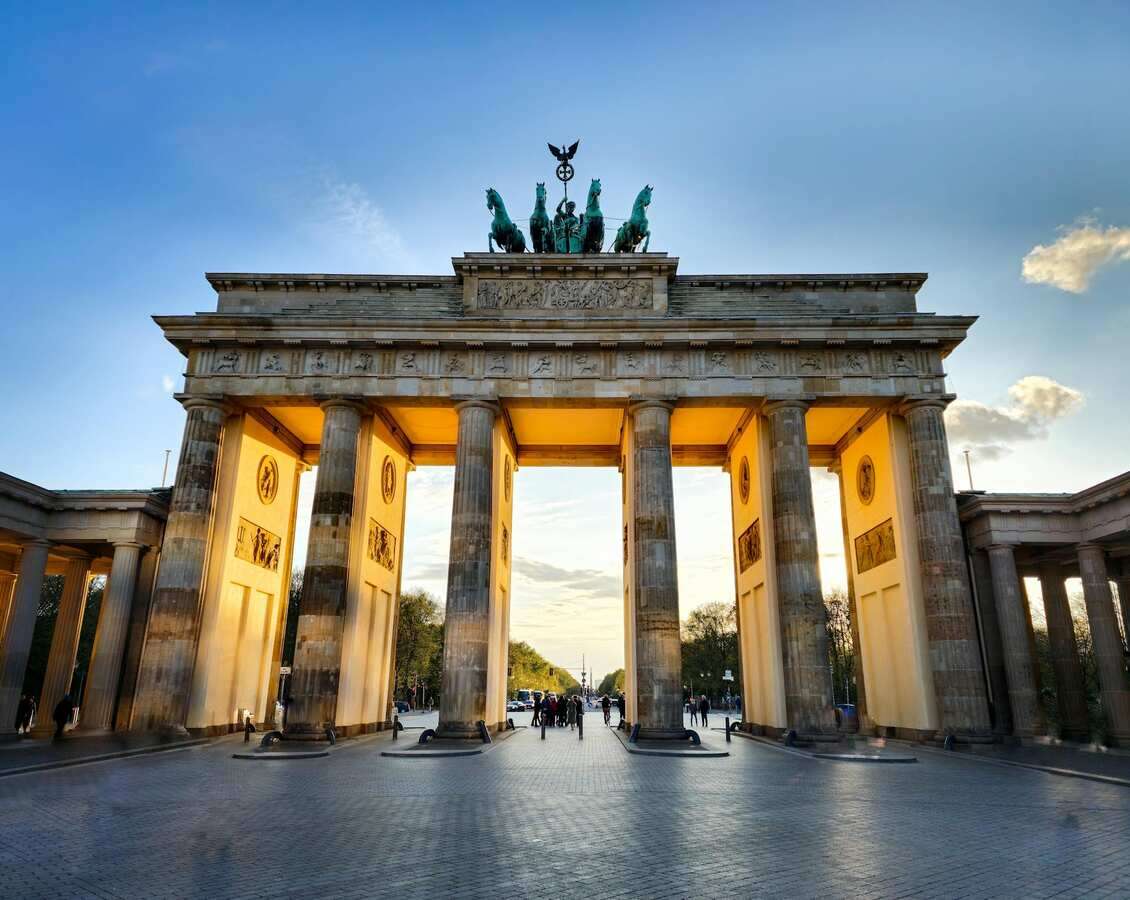
The twelve Doric columns and the magnificent quadriga—a sculpture of a chariot drawn by four horses—atop the gate are a testament to the artistic and engineering prowess of the era.
The site has also been the backdrop for numerous political rallies, celebrations, and moments of quiet reflection, solidifying its place in the collective memory of Berliners and the world. When you visit, you’re not just seeing a beautiful building; you’re standing at a crossroads of history.
Brandenburg Gate: A Symbol of Division and Reunification
Brandenburg Gate’s narrative is deeply intertwined with the story of a divided city and a reunited nation. During the Cold War, the Berlin Wall was erected directly in front of the gate, making it inaccessible to both East and West Berliners.
For decades, the Brandenburg Gate became a poignant symbol of the Iron Curtain, a stark reminder of the ideological and physical barriers that separated families and a nation. It was a place of longing, a visual representation of what was lost and what was hoped for.
The area around the gate became a heavily guarded no-man’s-land, a sterile, desolate zone that stood in stark contrast to the vibrant city life just a few hundred meters away. The sight of the gate from the Western side, framed by the wall, was a powerful image broadcast around the world.
However, this period of separation also solidified the gate’s significance as a symbol of freedom. When the Berlin Wall fell in 1989, the Brandenburg Gate was the scene of jubilant celebrations, with crowds of people from both sides of the city pouring through it for the first time in nearly three decades.
This moment of unity was a powerful testament to the human desire for freedom and connection. Today, the Brandenburg Gate is a beacon of hope, reminding us that even the most formidable barriers can be overcome.
Brandenburg Gate: Architectural Masterpiece and Historical Landmark
Brandenburg Gate is more than just a historical monument; it is a masterpiece of neoclassical architecture that draws visitors from all corners of the globe. The design by Carl Gotthard Langhans, completed in 1791, is a study in classical elegance and proportion.
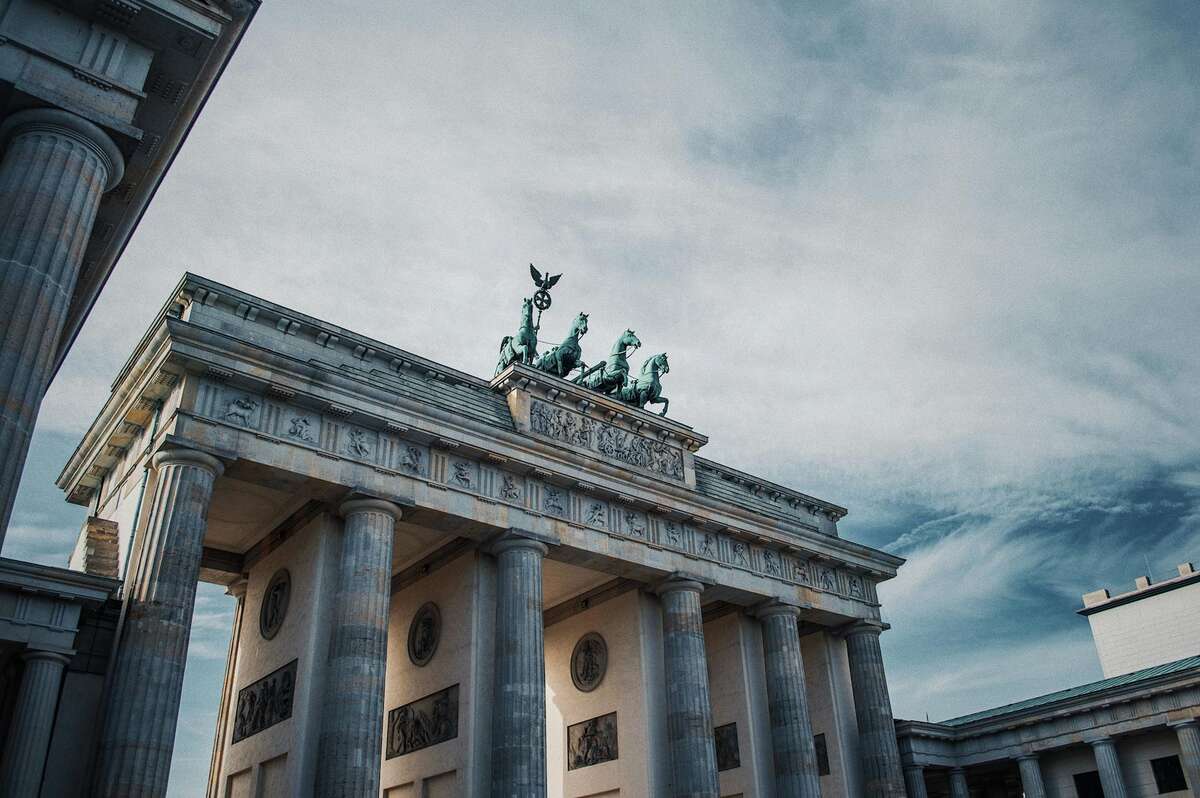
The gate is composed of five passages, flanked by two small gatehouses, with the central passage originally reserved for the royal family. The twelve Doric columns, six on each side, support a deep entablature and a magnificent attic adorned with reliefs and sculptures.
The most iconic feature is undoubtedly the Quadriga, a stunning bronze statue created by Johann Gottfried Schadow, which depicts Victoria, the Roman goddess of victory, riding a chariot pulled by four horses.
The statue has its own fascinating history, having been stolen by Napoleon in 1806 and returned triumphantly in 1814. Its return was a moment of national pride, and the gate has since been crowned with an iron cross and an eagle.
The meticulous attention to detail, from the fluted columns to the intricate friezes, showcases the high standards of 18th-century craftsmanship. The Brandenburg Gate’s enduring beauty and historical depth make it a focal point for tourists and historians alike, serving as a powerful link to Germany’s past.
Brandenburg Gate: The Heart of Berlin’s Cultural and Political Life
Brandenburg Gate is a central hub for Berlin’s vibrant cultural and political activities, serving as a stage for major events and celebrations. This iconic landmark is not just a relic of the past, but a living, breathing part of the city’s modern identity.
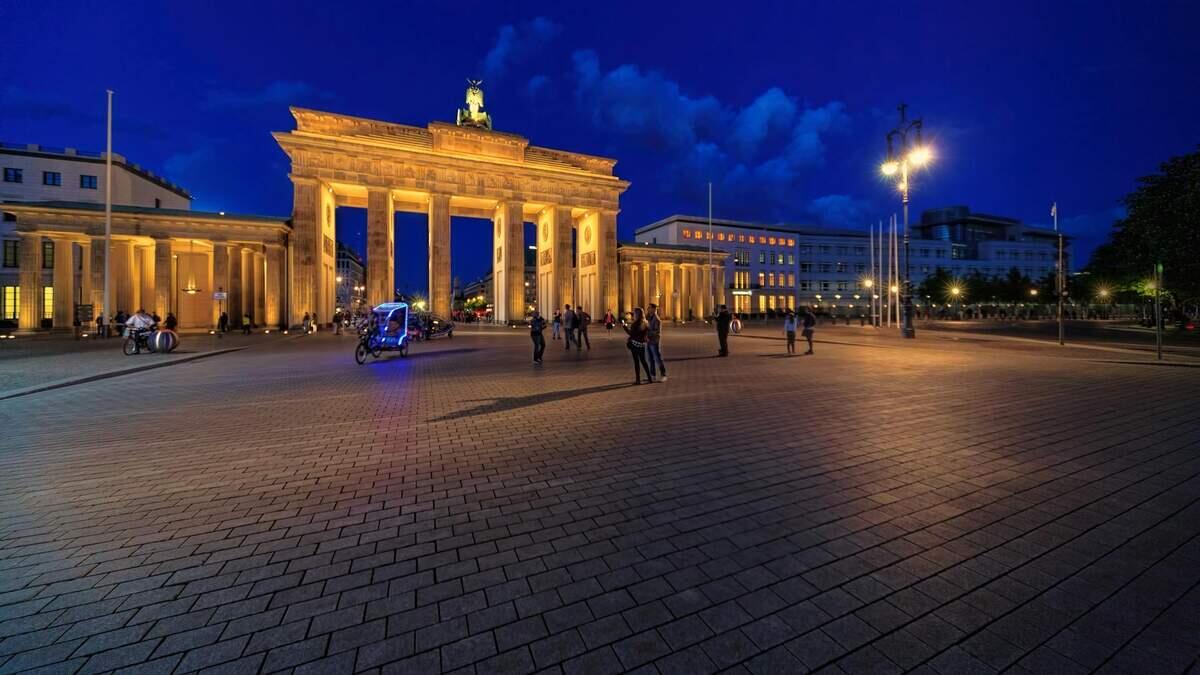
Throughout the year, the square in front of the gate, Pariser Platz, hosts a variety of events, from New Year’s Eve parties that draw hundreds of thousands of people to peaceful demonstrations and public art installations.
The gate has been the backdrop for countless historic speeches, including John F. Kennedy’s famous “Ich bin ein Berliner” address and Ronald Reagan’s challenge to Soviet leader Mikhail Gorbachev to “tear down this wall.” These moments have cemented the Brandenburg Gate’s role as a platform for global discourse and a symbol of democratic ideals.
It is also the starting point for many of Berlin’s most important parades and marathons, bringing together people from all walks of life.
The surrounding area has been revitalized with new embassies, hotels, and cafés, making it a bustling destination for tourists and locals. The Brandenburg Gate is a place where history, culture, and politics converge, offering a unique glimpse into the soul of Berlin.
A Must-See Attraction for Every Visitor
Brandenburg Gate is an essential stop on any tourist’s itinerary, offering a powerful experience that goes beyond a simple photo opportunity. Standing in Pariser Platz, you can feel the weight of history and the energy of modern Berlin all at once.
The best time to visit is during sunset, when the golden light bathes the sandstone columns and the Quadriga in a warm, ethereal glow, creating a perfect moment for photography.
The location is easily accessible via public transport, making it a convenient starting point for exploring other nearby attractions like the Reichstag Building, the Memorial to the Murdered Jews of Europe, and the Tiergarten park. Many visitors choose to take a guided tour to fully appreciate the rich history and countless stories associated with the monument.
Experienced guides can bring the past to life, recounting tales of emperors, soldiers, and ordinary citizens who have all played a part in the gate’s narrative.
For a unique perspective, you can walk through the gate’s passages, just as world leaders and jubilant crowds have done. The Brandenburg Gate is not just a place to see; it’s a place to feel and to learn. The experience of being there is truly unforgettable.
A Timeless Symbol of Peace and Freedom
Brandenburg Gate stands today as a profound and enduring symbol of peace, freedom, and the triumph of the human spirit. Its transformation from a royal city gate to a monument of division and finally to an emblem of unity is a testament to its powerful legacy.
The gate has witnessed some of the most significant moments in modern history, and its presence continues to inspire and unite people. The sight of the Quadriga, with the goddess Victoria moving forward, can be seen as a metaphor for Germany’s journey—a nation moving forward, learning from its past, and embracing a future of hope and reconciliation.
The Brandenburg Gate is a powerful reminder that borders can be opened, walls can fall, and people can come together. It is a place where history is not just remembered but celebrated, a place where the past informs the present and guides the future.
The monument’s stately grace and historical significance make it a cherished landmark not only for Berliners, but for people around the world who believe in the values it represents. A visit here is a pilgrimage to a site of global importance, a powerful reminder of how far humanity has come and the enduring power of hope.