Profile
Nymphenburg Palace: A Majestic Retreat in Munich
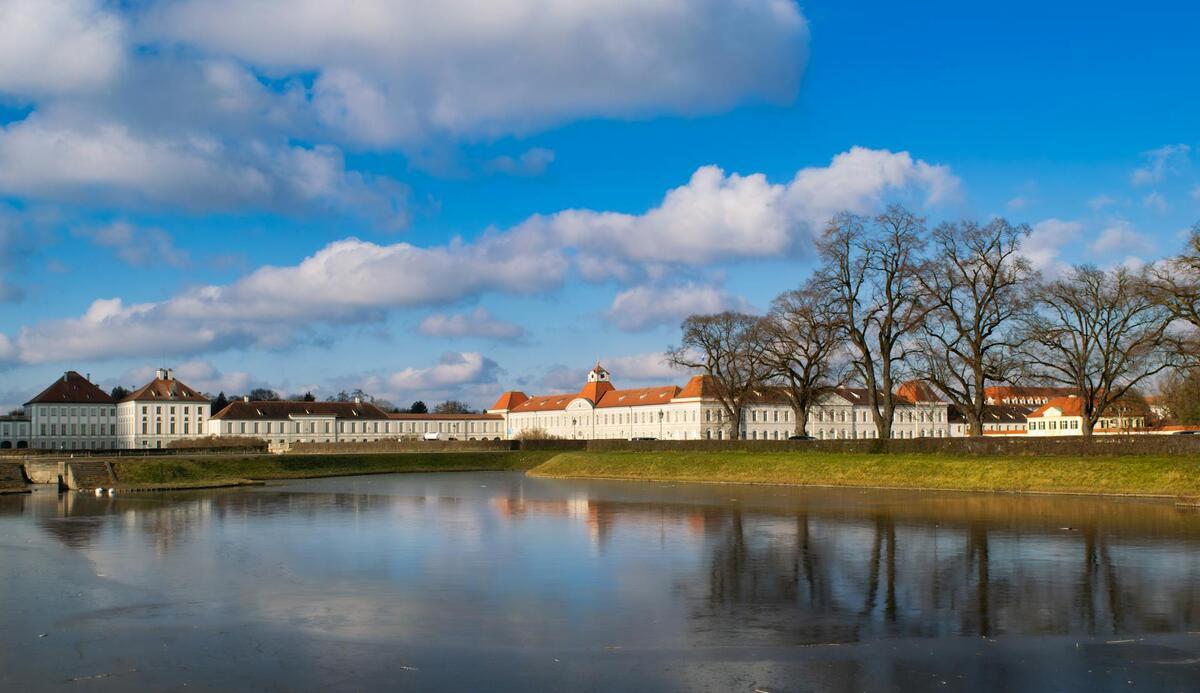
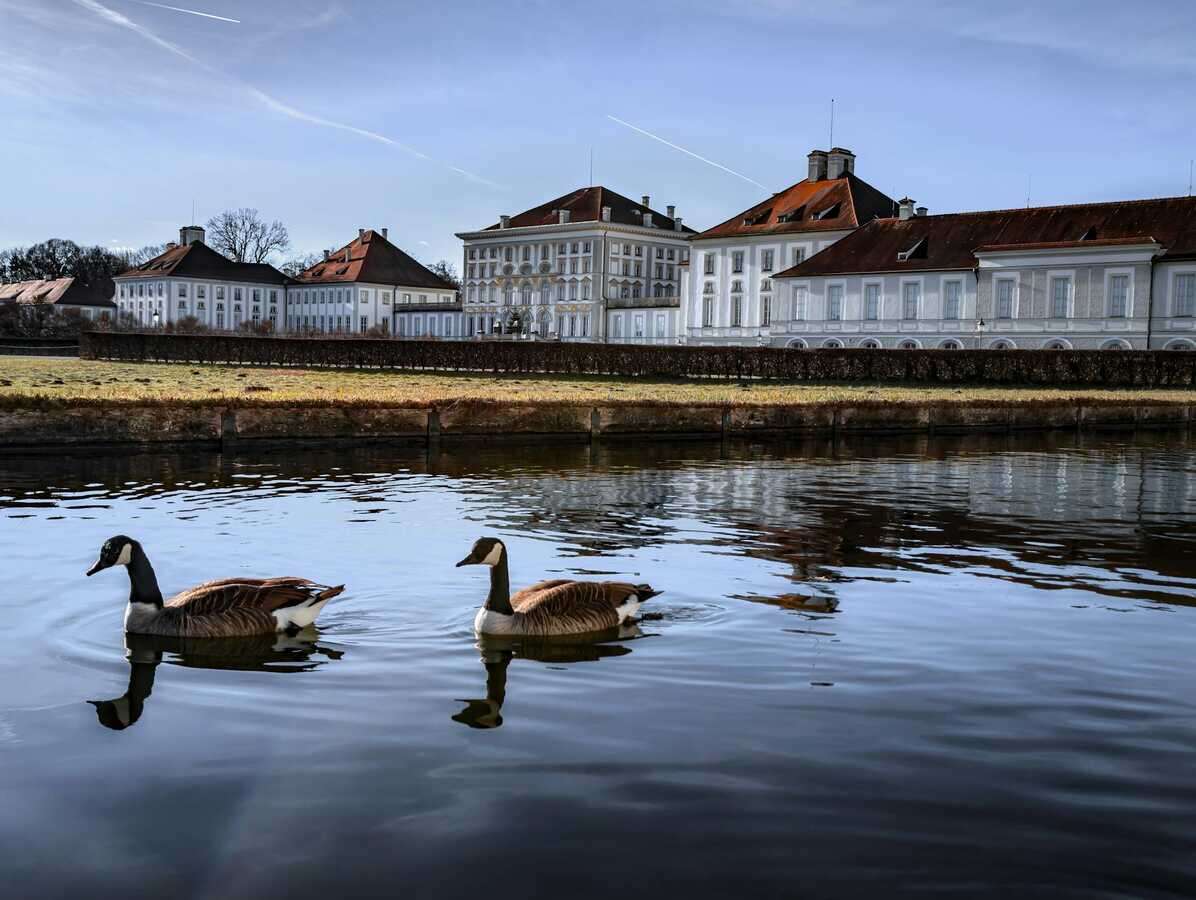
Nymphenburg Palace, a stunning baroque masterpiece in Munich, stands as a testament to the opulence and grandeur of Bavarian royalty. The former summer residence of the rulers of Bavaria is a must-see for anyone visiting the city, offering a captivating blend of architectural beauty, historical significance, and breathtaking natural surroundings.
Its origins date back to the 17th century, when Elector Ferdinand Maria and his wife, Henriette Adelaide of Savoy, commissioned its construction to celebrate the birth of their long-awaited son, Maximilian II Emanuel.
The name “Nymphenburg” translates to “Nymph’s Castle,” a fitting tribute to the mythical creatures and natural beauty that inspired its design. Over the centuries, the palace underwent numerous expansions and renovations, transforming it into the sprawling complex we see today.
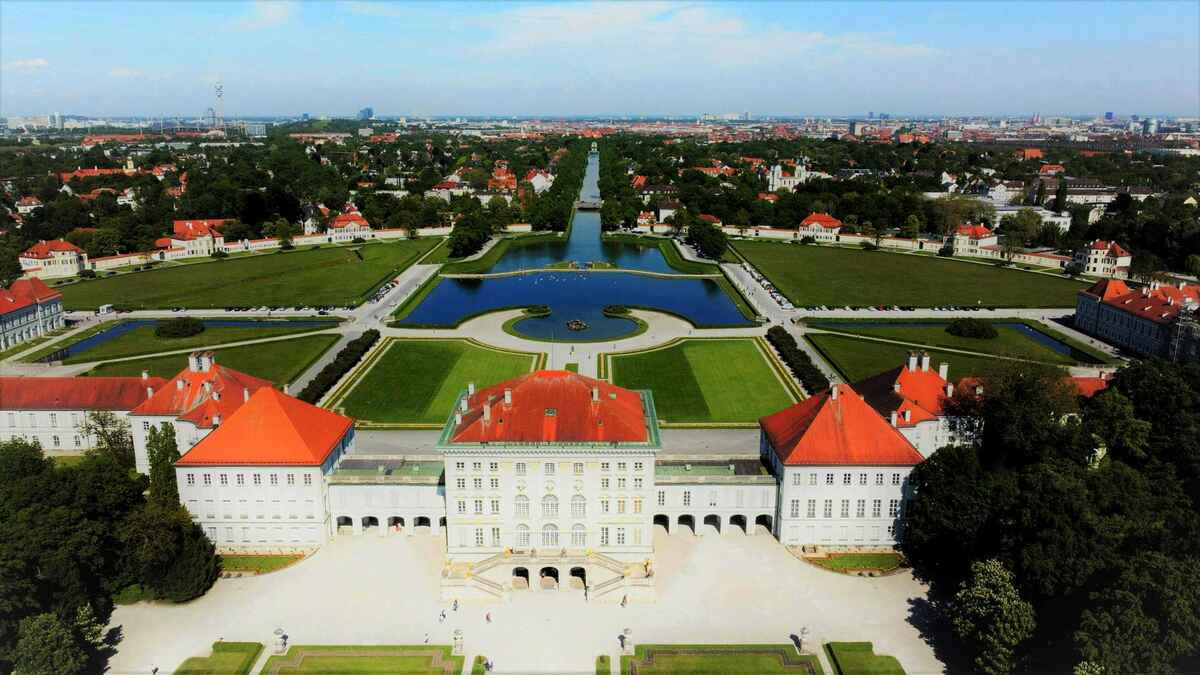
The main palace building, with its distinctive orange facade and elegant central pavilion, is an architectural marvel. Inside, visitors can explore the richly decorated State Apartments, the awe-inspiring Great Hall (Steinerner Saal), and the stunningly preserved Bedroom of Queen Caroline.
The palace’s vast gardens and canals, designed in both French and English styles, provide a tranquil escape from the bustling city, inviting visitors to stroll along winding paths and discover hidden pavilions.
Nymphenburg Palace: The Birth of a Dream and Its Historical Significance
Nymphenburg Palace’s history is deeply intertwined with the story of the Wittelsbach dynasty, the rulers of Bavaria for over seven centuries. The palace was not merely a royal residence; it was a symbol of power, prestige, and artistic patronage.
Its construction marked a pivotal moment in Bavarian history, ushering in an era of baroque architecture and artistic flourishing. The initial design, conceived by Italian architect Agostino Barelli, laid the foundation for the magnificent complex that would evolve over time.
Subsequent rulers, including Maximilian II Emanuel and his son, Charles Albert, expanded the palace, adding new wings, pavilions, and decorative elements. The Great Hall, a masterpiece of rococo design, was completed during the reign of Elector Maximilian III Joseph and became the venue for grand celebrations and state receptions.
The palace also served as the birthplace of King Ludwig II, the “Fairytale King” famous for his fantastical castles. Throughout its history, this Nymphenburg Palace hosted countless dignitaries, artists, and intellectuals, cementing its reputation as a cultural and political hub.
Today, it stands as a living museum, offering a glimpse into the lives of the Bavarian monarchs and their profound influence on European history and art.
Nymphenburg Palace: A Glimpse into Royal Interior Splendor
Nymphenburg Palace’s interior is a breathtaking showcase of baroque and rococo artistry, offering a journey through the lavish lives of its royal inhabitants. The palace’s most impressive room is arguably the Great Hall, or Steinerner Saal.
This grand ballroom, with its magnificent ceiling fresco by Johann Baptist Zimmermann, is a symphony of gold, stucco, and vibrant colors. The fresco depicts the gods of Olympus, celebrating the triumph of the Wittelsbach dynasty, while the intricate stucco work and gilded decorations create an atmosphere of pure opulence.
The palace’s residential wings also offer a fascinating glimpse into royal life. The State Apartments, once home to the Electors and Kings of Bavaria, are adorned with sumptuous silks, tapestries, and antique furniture. The Queen’s Bedroom, with its ornate bed and personal belongings, provides an intimate look at the daily routines of the palace’s female residents.
One of the most famous rooms is the Gallery of Beauties, commissioned by King Ludwig I. This collection of 36 portraits, painted by Joseph Karl Stieler, features beautiful women from various social classes in Munich, including the famous Lola Montez.
This unique gallery offers a fascinating insight into the aesthetics and social conventions of the 19th century, making it a highlight of any visit to Nymphenburg Palace.
Nymphenburg Palace: The Gardens of a Tranquil Haven
Nymphenburg Palace is not just a building; it is a sprawling complex that includes one of Europe’s most magnificent palace parks. The Nymphenburg Palace gardens, spanning over 200 hectares, are a perfect example of baroque garden design, later enhanced with elements of the English landscape style.
The central axis of the gardens is dominated by the grand canal, which stretches from the palace facade to the Amalienburg pavilion. Visitors can enjoy a leisurely gondola ride along this canal, feeling as if they have been transported back in time.
The meticulously manicured lawns, intricate flowerbeds, and ornate fountains of the French parterre give way to the more natural, winding paths and serene lakes of the English garden. The park is home to several enchanting pavilions, each with its own unique history and architectural style.
The Amalienburg, a rococo masterpiece, was a hunting lodge and retreat for Electress Amalia. The Pagodenburg, a small, octagonal building, showcases a fascinating blend of European and Chinese styles. The Badenburg, a bathhouse located by a lake, was used for private bathing parties.
These hidden gems, nestled within the lush greenery, make exploring the gardens an adventure in itself, offering endless opportunities for relaxation and discovery. The Nymphenburg Palace gardens are a must-see for anyone who wants to escape the hustle and bustle of the city.
Exploring Hidden Gems and Pavilions
Nymphenburg Palace’s grounds are dotted with several exquisite pavilions, each a miniature architectural marvel in its own right. These small buildings, nestled within the vast park, served various purposes for the royal family, from intimate retreats to venues for elaborate parties.
The most famous of these is the Amalienburg, a magnificent rococo hunting lodge designed by François de Cuvilliés the Elder. The interior is a feast for the eyes, with its shimmering mirrored walls, intricate stucco work, and a stunning “hunting room” covered in blue and silver Chinese wallpaper.
Another notable pavilion is the Pagodenburg, a testament to the 18th-century European fascination with all things Oriental. Its exotic, two-story structure, with a blue and white tiled dome, houses a tea room and a small kitchen, where the court would enjoy refreshments after a day of recreation.
The Badenburg, located on the shores of a small lake, was an extravagant bathhouse featuring a heated swimming pool and richly decorated rooms. Lastly, the Magdalenenklause, or Hermitage, was designed as a ruined grotto for quiet contemplation.
The Nymphenburg Palace pavilions offer a unique glimpse into the more private and playful aspects of court life, showcasing the artistic and stylistic diversity of the era.
Planning Your Visit Today
Nymphenburg Palace continues to be a vibrant cultural and historical destination, welcoming millions of visitors each year. To make the most of your visit, it’s best to plan ahead. The palace is easily accessible by public transport from central Munich, with a tram stop conveniently located right at the main entrance.
The palace itself, the pavilions, and the Marstallmuseum (Museum of Carriages and Sleighs) each require a separate ticket, though a combination ticket is also available, offering a great value for those who want to see everything. The palace’s main building, with its State Apartments and Great Hall, is the starting point for most tours.
Afterward, you can take a leisurely stroll or even a carriage ride through the extensive gardens to reach the various pavilions. The Marstallmuseum houses a breathtaking collection of royal carriages, including King Ludwig II’s magnificent gilded coronation coach.
For a truly unique experience, consider visiting during the summer months when the Nymphenburg Palace gardens are in full bloom and the gondolas are operating on the canal. Whether you’re a history buff, an architecture enthusiast, or simply looking for a beautiful place to spend an afternoon, Nymphenburg offers a truly unforgettable experience.